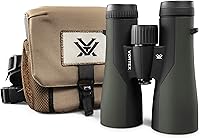
What Is the Exit Pupil on Binoculars?
The exit pupil is the circle of light behind a binocular eyepiece. To understand what exit pupil in binoculars means, divide the objective lens diameter by the magnification.
On this page (9 sections)
- What does exit pupil mean in binoculars?
- How do you calculate binocular exit pupil?
- Does a larger exit pupil make binoculars brighter?
- What exit pupil should you choose for birding or travel?
- How do common binocular sizes compare?
- Is exit pupil the same as eye relief?
- How should you set up binoculars for a clear view?
- What common exit pupil mistakes should you avoid?
- What is exit pupil in binoculars, and which size should you choose?
The exit pupil is the circle of light behind a binocular eyepiece. If you're asking what exit pupil in binoculars means, divide the objective lens diameter by magnification: an 8x42 binocular has a 5.25 mm exit pupil.
That number describes the width of the light beam as it reaches your eye. It helps you compare formats and anticipate how much room you have to position your eyes, but it doesn't tell you everything about image quality or comfort.
What does exit pupil mean in binoculars?
The exit pupil is the diameter of the light beam leaving each eyepiece, measured in millimeters. Hold the binoculars at arm's length and look toward the eyepieces against a bright background to see the two circles.
The circles are formed by the binoculars' objective lenses and magnification. You don't adjust exit pupil itself; it is a fixed result of that configuration.
This is one of the basic terms to know before comparing binoculars. Our binocular basics guide covers other common measurements and features.
How do you calculate binocular exit pupil?
Divide the objective lens diameter by the magnification. The numbers in a binocular model name usually give you both values: in 8x42, 8 is the magnification and 42 is the objective lens diameter in millimeters.
For 8x42 binoculars, 42 ÷ 8 = 5.25 mm. For 10x42 binoculars, 42 ÷ 10 = 4.2 mm.
A 10x50 model has a 5 mm exit pupil, while a 10x28 has a 2.8 mm exit pupil. These calculations let you compare the light beam before you choose a pair.
Does a larger exit pupil make binoculars brighter?
A larger exit pupil can make it easier to position your eyes behind the eyepieces, especially when your pupils are open in dim light. It doesn't guarantee a brighter image; the binoculars' optics and your viewing conditions also matter.
In bright daylight, your pupils may be smaller than the beam, so your eyes can't use all of its width. In dimmer conditions, your pupils open wider and a larger beam may be more useful.
At the same objective diameter, lower magnification produces a larger exit pupil. An 8x42 gives you a wider beam than a 10x42, while the 10x42 magnifies more.
For a closer look at those formats, compare 10x42 and 10x50 binoculars. Objective diameter changes the calculation too, so weigh the whole format instead of choosing by exit pupil alone.
What exit pupil should you choose for birding or travel?
For daytime birding and travel, around 4 mm or larger is a useful reference, not a strict cutoff. An 8x42 has a 5.25 mm exit pupil, and a 10x42 has a 4.2 mm one.
Choose 8x42 if you want a generous beam and lower magnification for general nature viewing. Choose 10x42 if you prefer more magnification and mostly view in good light.
The 8x42 binocular guide and 10x42 binocular guide can help you compare those tradeoffs for outdoor use.
Are compact binoculars' smaller exit pupils a problem?
A smaller exit pupil isn't automatically a problem for bright, casual viewing. It can be less forgiving if your eyes shift away from the ideal position, so align the eyecups and binoculars carefully.
A 10x28 has a 2.8 mm exit pupil. It suits someone who wants a compact pair for travel or day trips and is willing to prioritize portability over a wider beam.
The Vortex Triumph HD 10x28 combines 10x magnification and 28 mm objective lenses in a compact format.
Skip this format if you often watch wildlife in dim light or want a more forgiving eye position. A smaller exit pupil won't prevent a good view in daylight, but it gives you less room to shift your eyes.
How do common binocular sizes compare?
The exit pupil calculation gives you a quick way to compare common formats. Here are four examples:
| Binocular size | Calculation | Exit pupil |
|---|---|---|
| 8x42 | 42 ÷ 8 | 5.25 mm |
| 10x42 | 42 ÷ 10 | 4.2 mm |
| 10x50 | 50 ÷ 10 | 5 mm |
| 10x28 | 28 ÷ 10 | 2.8 mm |
The 8x42 and 10x50 have similar exit pupil sizes but different magnifications and objective diameters. A larger objective can add bulk, so think about how you'll carry the binoculars as well as when you'll use them.
The Vortex Diamondback HD 8x42 has a 5.25 mm exit pupil. Its 8x magnification and included GlassPak harness make it a practical choice for general outdoor viewing when you want a larger beam.
The Vortex Crossfire HD 10x42 has a 4.2 mm exit pupil. Choose it if you want 10x magnification for daytime viewing and can keep the binoculars steady.
The Vortex Diamondback HD 10x50 has a 5 mm exit pupil, combining 10x magnification with a larger objective diameter. It suits viewers who want that combination and are comfortable carrying a larger pair.
Is exit pupil the same as eye relief?
No. Exit pupil measures the beam's diameter, while eye relief measures how far your eye can sit from the eyepiece and still see the full image.
If you wear glasses, check eye relief as well as exit pupil. A wider beam does not make up for an eyepiece that sits too close to your glasses.
The Diamondback HD 8x42 has 17 mm of eye relief. The Crossfire HD 10x42 and Triumph HD 10x28 each have 15 mm, so check whether the fit works for your glasses and face shape.
Our guide to using binoculars with glasses explains how eyecup position affects your view. You can also follow steps to adjust binoculars to fit your eyes before deciding a pair is uncomfortable.
How should you set up binoculars for a clear view?
Set the binoculars to match your eyes before judging their exit pupil. The right adjustments help you place your eyes consistently and see one comfortable image.
Start by setting the interpupillary distance: move the barrels until the two circles merge into one. Then adjust the eyecups.
Twist them up if you don't wear glasses; keep them down if you do, so your eyes can sit closer to the eyepieces.
Next, adjust the diopter to account for differences between your eyes, then use the center focus wheel for the subject. Repeat the setup if someone else uses the binoculars, since their eye spacing and focus may differ.
What common exit pupil mistakes should you avoid?
The most common mistake is treating exit pupil as a brightness score. A 5 mm beam can be useful in dim conditions, but it does not guarantee a brighter or sharper view than a smaller beam.
Another mistake is buying the largest exit pupil without considering weight, magnification, or how you carry the binoculars. If you mostly watch in bright daylight, a compact format may be a better fit than a larger pair.
Don't confuse exit pupil with eye relief, either. If you wear glasses, check eye relief and set the eyecups properly; exit pupil alone cannot tell you whether you'll see the full field.
What is exit pupil in binoculars, and which size should you choose?
For a larger beam and general outdoor use, choose 8x42 or 10x50 if you're comfortable carrying a larger pair. Choose 10x42 for more magnification in a common daytime format, or 10x28 when compact size matters most.
Use the exit pupil as one comparison point, then check eye relief, handling, and the light conditions where you'll use the binoculars. For a broader checklist, see what to look for when buying binoculars and what field of view means on binoculars.
Frequently asked questions
What is a good exit pupil for binoculars?
A useful exit pupil depends on when and how you view. An 8x42 binocular has a 5.25 mm exit pupil, while a 10x42 has a 4.2 mm one.
A larger exit pupil can make eye placement feel more forgiving, especially when your pupils are open in dim light.
It does not guarantee a brighter image.
Is a bigger exit pupil always better?
No. A larger exit pupil can help you align your eyes with the binoculars and may be useful in dim conditions, but it can add size and weight or go unused when your pupils are smaller than the light beam.
Match the format to your usual light, activity, and carrying preference.
How do you calculate exit pupil?
Divide the objective lens diameter in millimeters by the magnification. For example, 42 divided by 8 gives a 5.25 mm exit pupil, and 42 divided by 10 gives 4.2 mm.
The calculation describes the light beam's diameter at the eyepiece.
Does exit pupil affect binoculars with glasses?
Exit pupil size and eye relief are different measurements. Exit pupil describes the light beam's diameter; eye relief describes how far your eye can sit from the eyepiece and still see the full view.
If you wear glasses, check eye relief and adjust the eyecups to suit your eyes.