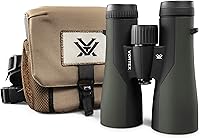
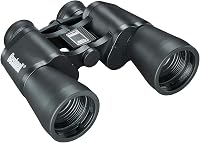
Vortex Diamondback HD 10x42 vs 12x50: Which Is Better? (November 2026)
Choose the Vortex Crossfire HD 10x42 for most people because it is lighter and has a wider field of view. Pick the Vortex Diamondback HD 12x50 for longer-distance viewing and brighter low-light images.
On this page (13 sections)
- Vortex Diamondback HD 10x42 vs 12x50: the quick answer
- How do the two binoculars compare side by side?
- Which binocular gives you the wider view?
- Which one is better for distant detail?
- Do the 50mm lenses make the Diamondback brighter?
- Which model is easier to carry and hold?
- How do focus and eye adjustments compare?
- Which binocular suits birding and travel?
- Which one suits hunting and distance viewing?
- What do you get with each binocular?
- Which product should you buy?
- Vortex Diamondback HD 10x42 vs 12x50: the final verdict
- For a related Vortex decision, see Vortex Diamondback HD 8x42 vs 10x42 before choosing between a wider, easier view and higher magnification. The best Vortex Diamondback HD 10x42 vs 12x50 choice is the one that matches how steadily you view and how far away your subjects usually are.
Choose the Vortex Crossfire HD 10x42 for most people because it is lighter, steadier to carry and wider in view. The Vortex Diamondback HD 12x50 wins for distant subjects and low-light use, but the extra reach comes with more weight and a narrower view.
This Vortex Diamondback HD 10x42 vs 12x50 comparison focuses on the numbers that change daily use: magnification, objective lens size, field of view, weight, eye relief and handling. Both are Vortex binoculars with HD optics, manual center focus, adjustable eyecups, diopter adjustment, rubber armor and tripod adaptability.

Vortex Diamondback HD 10x42 vs 12x50: the quick answer
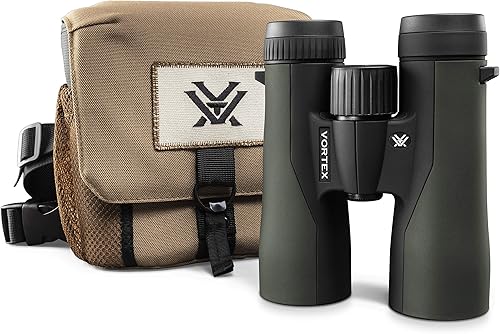
The Vortex Crossfire HD 10x42 is the better overall pick for walking, birding and travel. Its 10x magnification, 42mm objective lenses, 325-foot field of view and 1.4-pound weight create a more flexible balance.
The Vortex Diamondback HD 12x50 is the better choice when distant detail matters more than compact handling. Its 12x magnification brings a subject closer in the view, while the 50mm objective lenses suit longer observation and lower-light conditions.
The difference is not just 10x versus 12x. The Crossfire HD also has 15mm of eye relief and a 6.2-degree apparent angle of view.
The Diamondback HD has 14mm of eye relief and a 5.2-degree apparent angle of view.
For a broader look at how viewing width affects binocular choice, read our guide to binoculars field of view.
How do the two binoculars compare side by side?
The Crossfire HD 10x42 favors lighter handling and a wider view, while the Diamondback HD 12x50 favors reach and larger lenses. The table shows the main differences without treating either number as useful in isolation.
| Feature | Vortex Crossfire HD 10x42 | Vortex Diamondback HD 12x50 |
|---|---|---|
| Magnification | 10x | 12x |
| Objective lenses | 42mm | 50mm |
| Field of view | 325 feet | 271 feet |
| Apparent angle of view | 6.2 degrees | 5.2 degrees |
| Eye relief | 15mm | 14mm |
| Exit pupil | 4.2mm | 4.17mm |
| Weight | 1.4 pounds | 1.8 pounds |
| Focus | Manual center focus | Manual center focus |
| Diopter range | ±2 to ±4 diopters | +/-5 diopters |
| Prism design | Roof prism | Roof prism |
| Tripod adaptable | Yes | Yes |
Both use aluminum enclosures, rubber armor and adjustable eyecups. Both have water and fogproof performance, and both are built for recoil and impact.
The Diamondback HD adds dielectric coating for bright, clear, color-accurate images and Armortek coating to protect exterior lenses from scratches, oil and dirt. The Crossfire HD uses fully multi-coated lenses on all air-to-glass surfaces.
Which binocular gives you the wider view?
The Crossfire HD 10x42 gives the wider view by a clear margin. Its field of view is 325 feet, compared with 271 feet for the Diamondback HD 12x50.
A wider field helps when you are locating a moving bird, following wildlife through branches or scanning a broad landscape. You see more of the scene around the subject, so finding that subject takes less time.
The Crossfire HD also has a 6.2-degree apparent angle of view. The Diamondback HD has a 5.2-degree apparent angle of view, which fits the higher magnification and more focused distant-viewing role.
A narrower view is not automatically a flaw. It supports a more concentrated look at a distant subject, especially when you already know where to aim.
The trade-off appears when the subject moves quickly or you need to reacquire it.
If broad scanning is part of your routine, the Crossfire HD is the easier choice. It gives you more surrounding context while keeping 10x magnification.
Which one is better for distant detail?
The Diamondback HD 12x50 is better for distant detail because its 12x magnification gives more reach than 10x. That extra power suits wildlife, distant terrain and subjects you can observe from one position.
Higher magnification also makes hand movement more visible. The Diamondback HD weighs 1.8 pounds, compared with 1.4 pounds for the Crossfire HD, so it asks more from your arms during a long glassing session.
The Diamondback HD is tripod adaptable, and a tripod or car window mount helps keep the view steady. This matters most when you plan to study one distant area instead of moving constantly along a trail.
The Crossfire HD still provides strong reach for general use. Its 10x magnification is enough for many birding, travel and outdoor situations, while the lighter body is easier to carry between viewing spots.
Pick the Diamondback HD when distance is the main job. Pick the Crossfire HD when you need reach plus easier movement.
Do the 50mm lenses make the Diamondback brighter?
The Diamondback HD's 50mm objective lenses give it the larger light-gathering opening. The Crossfire HD uses 42mm objective lenses, which help keep its body and weight lower.
Both models have an exit pupil close to 4.2mm. The Crossfire HD is 4.2mm, and the Diamondback HD is 4.17mm, so the objective size alone does not tell the whole viewing story.
The Diamondback HD combines its 50mm lenses with fully multi-coated lenses, dielectric coating and Armortek coating. Those coatings support light transmission, image color and exterior lens protection.
The Crossfire HD uses select glass elements and fully multi-coated lenses. Its data also describes it as low-light capable, so it remains a practical option when you want a lighter binocular for changing outdoor light.
Choose the Diamondback HD for the larger front lenses and longer low-light sessions. Choose the Crossfire HD when you want low-light capability in a body that is easier to carry.
Which model is easier to carry and hold?
The Crossfire HD 10x42 is easier to carry because it weighs 1.4 pounds. The Diamondback HD 12x50 weighs 1.8 pounds, a difference you notice when binoculars hang from your neck or stay in your hands.
The Crossfire HD also has a compact roof prism design, rubber armor for a secure grip and an included GlassPak binocular case. Its 10x magnification places less demand on steady hand positioning than 12x.
The Diamondback HD includes a GlassPak harness and has rubber armor for grip and external protection. The harness helps keep the binoculars ready for use, while a tripod can take over when you need a stable view.
Weight is only one part of comfort. Eye relief also matters if you wear glasses.
The Crossfire HD has 15mm of eye relief, while the Diamondback HD has 14mm, giving the Crossfire HD a small advantage on paper.
For long walks and frequent repositioning, the Crossfire HD fits better. For stationary viewing, the Diamondback HD's extra weight is easier to accept.
How do focus and eye adjustments compare?
Both binoculars use manual center focus, adjustable eyecups and a right-eyepiece diopter. That shared layout makes the basic setup familiar, but the adjustment ranges differ.
The center focus wheel adjusts both barrels together. The diopter then adjusts for differences between your eyes, so the image stays clear without forcing both eyes to compensate in the same way.
Twist-up eyecups support viewing with or without eyeglasses. Start with the eyecups down if you wear glasses, then adjust them for a full view without black edges.
The Crossfire HD has a diopter adjustment range of ±2 to ±4 diopters. The Diamondback HD has a +/-5 diopter range.
Set up either model in daylight before you need it. Focus one barrel at a time using the diopter, then use the center focus wheel for normal viewing.
Once adjusted, small focus changes should be quick as subjects move closer or farther away.
Which binocular suits birding and travel?
The Crossfire HD 10x42 is the better fit for birding and travel because its wider view and lower weight support active movement. It is easier to carry on a trail and quicker to aim when a bird appears briefly.
Its 325-foot field of view gives you more room to locate a subject. The 10x magnification still provides useful detail, while 15mm of eye relief supports repeated viewing.
The included GlassPak binocular case adds a dedicated way to carry and protect the binoculars. Its rubber armor also provides a secure, non-slip grip while you move between viewing points.
The Diamondback HD works for birding when the subject is far away and you can hold the binoculars steadily. Its 12x magnification can show more distant detail, but the 271-foot field of view makes fast subjects harder to find.
Travelers who spend more time scanning landscapes than tracking quick subjects may prefer the Diamondback HD. For mixed travel, walking and wildlife use, the Crossfire HD is the clearer choice.
Which one suits hunting and distance viewing?
The Diamondback HD 12x50 is the stronger choice for distance viewing from a fixed position. Its higher magnification and 50mm objective lenses fit deliberate observation across open ground.
The 12x view can make distant details easier to inspect once the binoculars are pointed correctly. A tripod or car window mount helps reduce movement during longer viewing periods.
The Diamondback HD also has argon purging and o-ring seals for water and fogproof performance. Its rubber armor and rugged construction support outdoor use where recoil and impact are concerns.
The Crossfire HD remains useful for hunting when you move often or need to scan a wider area. Its 325-foot field of view helps with searching, and its 1.4-pound weight is easier to carry over distance.
Use the Diamondback HD for a stable glassing position and long-range detail. Use the Crossfire HD when your day includes more walking, scanning and quick changes in direction.
What do you get with each binocular?
Both products include protective and carrying accessories, but the packages differ slightly. The Crossfire HD includes a GlassPak binocular case, Rainguard eyepiece cover, tethered objective lens cover, comfort neck strap and lens cloth.
The Diamondback HD includes binoculars, a GlassPak binocular case, GlassPak case harness, comfort neck strap, tethered objective lens covers, Rainguard eyepiece cover and lens cloth.
The included GlassPak harness gives the Diamondback HD a ready carrying setup. The Crossfire HD description also includes a GlassPak binocular case and describes the binocular harness as part of its protective carry system.
Both are tripod adaptable, so neither locks you into handheld viewing. A tripod or car window mount is most useful when magnification, weight or long observation makes steady framing harder.
For another Vortex comparison, our Vortex Crossfire HD 12x50 review explains how a larger Crossfire format fits distance-focused use.
Which product should you buy?
Buy the Vortex Crossfire HD 10x42 if you want one binocular for walking, birding, travel and general outdoor viewing. Its 8.7 score reflects the stronger balance of weight, field of view, eye relief and useful magnification for most people.
The Crossfire HD also offers fully multi-coated lenses, a roof prism design, adjustable eyecups, center focus, diopter adjustment, rubber armor and tripod adaptability. Nitrogen purging and o-ring seals provide water and fogproof performance.
Buy the Vortex Diamondback HD 12x50 when distant detail and larger objective lenses matter more than weight. Its 8.4 score reflects the stronger reach and low-light equipment, balanced against the narrower view and heavier body.
The Diamondback HD also has fully multi-coated lenses, Armortek coating, adjustable eyecups, center focus, diopter adjustment, rubber armor and tripod adaptability. Argon purging and o-ring seals provide water and fogproof performance.
Our binoculars for the money guide can help if your choice depends on how often you will use the binoculars and which viewing task matters most.
Vortex Diamondback HD 10x42 vs 12x50: the final verdict
The Vortex Crossfire HD 10x42 wins overall for most readers. It combines 10x magnification with a wider 325-foot field of view, 15mm eye relief and a lighter 1.4-pound body.
Choose the Vortex Diamondback HD 12x50 when your priority is distant viewing from a stable position. Its 12x magnification, 50mm objective lenses, dielectric coating and 1.8-pound body make it the more focused long-distance tool.
The decision rule is simple: choose the Crossfire HD for movement, scanning and everyday carry, then choose the Diamondback HD for reach, larger lenses and deliberate observation.
For a related Vortex decision, see Vortex Diamondback HD 8x42 vs 10x42 before choosing between a wider, easier view and higher magnification. The best Vortex Diamondback HD 10x42 vs 12x50 choice is the one that matches how steadily you view and how far away your subjects usually are.
Frequently asked questions
Is 10x or 12x better for binoculars?
10x is better for general viewing because it gives a wider field of view and is easier to hold steady. 12x shows more detail at distance, but the narrower view and heavier body make it better suited to deliberate observation from a stable position.
Are 10x42 binoculars good for birding?
Yes, 10x42 binoculars suit birding when you want useful reach without giving up as much field of view. The Vortex Crossfire HD 10x42 has a 325-foot field of view, adjustable eyecups and 15mm of eye relief for repeated viewing.
Are 12x50 binoculars hard to hold?
A 12x50 binocular is more demanding to hold steady than a 10x42 because its higher magnification shows more hand movement. The Vortex Diamondback HD 12x50 weighs 1.8 pounds and is tripod adaptable for longer, steadier viewing.
Which binoculars are better in low light?
The Vortex Diamondback HD 12x50 has the larger 50mm objective lenses, which gather more light than the 42mm lenses on the Crossfire HD 10x42. The Crossfire HD is also low-light capable, so your choice depends on whether brightness or lighter handling matters more.
Can both binoculars use a tripod?
Yes, both binoculars are tripod adaptable. A tripod or car window mount is especially useful with the 12x50 model, since its 12x magnification and 1.8-pound weight make steady framing more important during extended viewing.