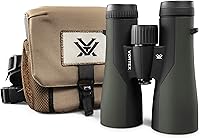
7 Best Compact Binoculars for Cruises and Day Trips (October 2026)
The best compact binoculars for cruises and day trips include the Vortex Triumph HD 10x28 for wet-weather cruises, the Leupold BX-1 Rogue 8x25 for steady harbor scanning, and the Leupold BX-1 Rogue 10x25 for distant landmarks.
On this page (8 sections)
- How we chose the best compact binoculars
- Compact binoculars compared by size and use
- Which compact binoculars suit each trip?
- What should you compare before choosing compact binoculars?
- How do you set up compact binoculars for a clear view?
- What mistakes make compact binoculars harder to use?
- How should you carry and care for compact binoculars?
- Which compact binoculars are the best choice for your trip?
The best compact binoculars for cruises and day trips balance easy packing with a view you can hold steady. The Vortex Triumph HD 10x28 is the top pick for weather protection, while the Leupold BX-1 Rogue 8x25 is easier to use for broad scanning at lower magnification.
A compact pair can stay in a day bag until a shoreline, bird, or distant landmark catches your eye. If you expect long walks between stops, compare our lightweight binoculars for travel and long walks and the broader birding and travel binocular guide.
Our picks at a glance
-
1

-
2

-
3
How we chose the best compact binoculars
The best compact binoculars for travel balance useful magnification and lens size with field of view, eye relief, carry weight, and weather protection. We compared those features against common cruise and day-trip needs.
An 8x model is often easier to hold steady while a boat rocks or a bird moves across the sky. A 10x model brings distant details closer, but small hand movements are more visible.
Weather protection matters if you expect rain or sea spray. A case helps protect binoculars in a bag, while a strap keeps them attached when you raise them to your eyes.
Compact binoculars compared by size and use
These picks span 8x25, 10x25, 10x26, and 10x28 formats. Use magnification and carry weight to narrow the options, then check field of view, fit, and weather protection.
| Product | Best for | Magnification | Objective lens | Weight | Our score |
|---|---|---|---|---|---|
| Vortex Triumph HD 10x28 | wet-weather cruises | 10x | 28mm | 12.8 oz | 7.6 |
| Leupold BX-1 Rogue 8x25 | steady harbor scanning | 8x | 25mm | 7.5 | |
| Leupold BX-1 Rogue 10x25 | distant landmarks | 10x | 25mm | 7.4 | |
| Nikon Trailblazer II 8x25 | light day bags | 8x | 25mm | 10.9 oz | 7.3 |
| Vortex Vanquish Reverse Porro | rugged 10x carry | 10x | 26mm | 7.3 | |
| Celestron Outland X 8x25 | sweeping coastlines | 8x | 25mm | 16 oz | 7.2 |
| Athlon Midas G2 UHD 10x25 | color-conscious buyers | 10x | 25mm | 6.9 |
Which compact binoculars suit each trip?
The right compact binocular depends on what you plan to view and how long you will carry it. Choose an 8x model for easier scanning, a 10x model for more reach, or a weather-protected option for exposed trips.
Vortex Triumph HD 10x28: Best for wet-weather cruises
- 10x magnification
- 28mm objective lenses
- Waterproof and fogproof
- Neck strap and carry case included
A weather-protected 10x28 with adjustable eyecups, a diopter, neck strap, and carry case. Choose it when rain resistance matters more than the easier scanning of an 8x model.
Pros
- Waterproof and fogproof
- Shock-resistant polycarbonate chassis with rubber armor
- Adjustable eyecups and diopter
Cons
- 10x magnification can make a moving view harder to hold steady
- Heavier than the listed 8x25 options
The Vortex Triumph HD 10x28 suits travelers who want 10x magnification with weather protection and a ready-to-carry package. Its 28mm objective lenses are larger than the 25mm lenses on most picks here.
Vortex describes its HD optical system and fully multi-coated lenses as designed for resolution, color fidelity, edge-to-edge sharpness, and light transmission. The binocular is nitrogen-purged, waterproof, and fogproof, with a polycarbonate chassis and full rubber armor.
Adjustable rubber eyecups and a diopter let you set the view to your eyes. The included neck strap and deluxe carry case are useful when moving between a cabin, deck, and shore excursion.
Skip this model if you want the lowest carry weight or the easiest view to steady on a rocking deck. Its 10x magnification calls for a steadier hold than an 8x choice.
Leupold BX-1 Rogue 8x25: Best for steady harbor scanning
- 8x magnification
- Inverted Porro prism design
- Waterproof and fogproof
- Rubber armor
The lower-power Rogue suits scanning a harbor, trail, or city view by hand. Its compact inverted Porro design and weather protection make it a practical day-bag option.
Pros
- Lower magnification than the 10x picks
- Waterproof and fogproof
- Easy-grip rubber armor
Cons
- No included case or strap is specified
- Less magnification than the 10x models
The Leupold BX-1 Rogue 8x25 suits travelers who want a compact binocular for scanning rather than maximum reach. Its 8x power and 6-degree field of view work well for looking across a harbor, trail, or city view.
Leupold uses an inverted Porro prism design to keep the Rogue compact. Rubber armor gives the housing a positive grip, and the binocular is waterproof and fogproof.
Choose it if you value lower magnification for a steadier view and don't need to identify distant details as closely. A case or strap is not specified, so this may be less convenient if you want a complete carry kit.
Leupold BX-1 Rogue 10x25: Best for distant landmarks
- 10x magnification
- Inverted Porro prism design
- Waterproof and fogproof
- Fully multi-coated optics
This compact 10x25 favors bringing distant details closer. Its waterproof, fogproof, rubber-armored design suits travelers who accept a narrower view and the extra care needed to hold 10x steady.
Pros
- 10x magnification in a compact format
- Waterproof and fogproof
- Rubber-armored housing
Cons
- Narrower stated field of view than the 8x25 Rogue
- Higher magnification can be harder to steady
The Leupold BX-1 Rogue 10x25 suits travelers who want to bring distant landmarks or wildlife closer in a compact format. Its 5.6-degree field of view is narrower than the 8x25 Rogue's stated view, so it takes a little more care to find a moving subject.
The inverted Porro prism design keeps the Rogue compact, and rubber armor helps with grip. Leupold describes the binocular as waterproof and fogproof, with fully multi-coated optics.
Pick it when extra reach matters more than easy scanning. Skip it for frequent viewing from a moving boat if keeping the image steady is your main concern.
Nikon Trailblazer II 8x25: Best for light day bags

- 8x magnification
- Long eye relief design
- Turn-and-slide eyecups
- Rubber-armored body
The Trailblazer II is the lightest by stated weight in this group. Nikon highlights its long eye relief design and multi-position eyecups for comfortable viewing.
Pros
- Long eye relief design
- Eyecups have multiple positions
- Lightest stated weight among these picks
Cons
- Waterproof performance is not specified
- The stated 10mm eye relief is shorter than several alternatives
The Nikon Trailblazer II 8x25 suits travelers who want a light binocular for long walks and general scanning. Nikon highlights a long eye relief design for eyeglass wearers and turn-and-slide eyecups with multiple positions.
Its stated weight is 10.9 oz, the lightest figure among these picks. The 8x magnification also makes it a sensible option for following movement without the extra shake that can come with 10x.
Waterproof performance is not specified, so choose a different model if rain or spray is likely. For a better fit with glasses, see our guide to using binoculars with glasses.
Vortex Vanquish Reverse Porro: Best for rugged 10x carry

- 10x magnification
- 26mm objective lenses
- Fully multi-coated lenses
- Waterproof and fogproof
The Vanquish combines a compact 10x format with waterproof and fogproof protection, adjustable eyecups, a strap, and a carry case. It suits travelers who want 10x and a grippy, weather-ready body.
Pros
- Waterproof and fogproof
- Fully rubber armored
- Includes a neck strap and carry case
Cons
- 10x magnification may be harder to hold steady on a moving boat
- Heavier than some pocket-size alternatives
The Vortex Vanquish Reverse Porro 10x26 suits travelers who want a compact 10x with weather protection and a grippy body. Its fully multi-coated lenses, rubber armor, and nitrogen-purged, O-ring-sealed construction make it a good fit for changing outdoor conditions.
Twist-and-lock eyecups adjust to your preferred position. A comfort neck strap and deluxe carry case are included, making it easy to keep the binocular accessible between stops.
Its stated field of view is 294 ft. Choose the Celestron Outland X instead if broad scanning is more important than 10x reach.
Celestron Outland X 8x25: Best for sweeping coastlines

- 8x magnification
- 25mm objective lenses
- 8.2-degree angular field of view
- Waterproof and nitrogen-purged
The Outland X pairs 8x power with a wide stated angular field of view for sweeping across shorelines and landscapes. It is a sensible fit when broad scanning and weather protection matter more than low carry weight.
Pros
- Wide stated angular field of view
- Waterproof and nitrogen-purged
- Rubber-armored body
Cons
- Heaviest stated weight in this group
- The stated 9.3mm eye relief is shorter than some alternatives
The Celestron Outland X 8x25 suits travelers who want a broad view for scanning coastlines, parks, or birds in flight. It has an 8.2-degree angular field of view and 8x magnification.
The Outland X uses multi-coated lenses and BaK-4 prisms. Its rubber-armored body is waterproof and nitrogen-purged, and a case and neck strap are included.
At 16 oz, it is the heaviest of these picks by stated weight. Choose it when a wide view and weather protection matter more than keeping your day bag light; otherwise, compare the lighter options.
Athlon Midas G2 UHD 10x25: Best for color-conscious buyers

- 10x magnification
- 25mm objective lenses
- Extra-Low Dispersion glass
- Magnesium chassis
Athlon describes Extra-Low Dispersion glass, dielectric prism coating, and fully multi-coated lenses for this compact 10x25. Confirm the focusing design and weather protection before choosing it.
Pros
- Extra-Low Dispersion glass
- Fully multi-coated lenses
- 15.5mm stated eye relief
Cons
- The data conflicts on focus type, so confirm how focusing works before buying
- Waterproofing is not specified
The Athlon Midas G2 UHD 10x25 suits buyers who value color detail in a compact format. Athlon describes Extra-Low Dispersion glass, ESP dielectric prism coating, and fully multi-coated lenses for this model.
The stated eye relief is 15.5mm. A magnesium chassis is designed to reduce weight while retaining the strength of a metal chassis, though this model's stated weight is 16 oz.
The focus information conflicts: the model name and title identify a binocular, while the specs call it fixed focus. Confirm how focusing works for the version you are considering, and skip it if you need clearly stated waterproofing.
What should you compare before choosing compact binoculars?
Compare magnification, field of view, carry weight, eye relief, and weather protection before choosing a compact pair. These features shape how easy the binocular is to aim, hold, carry, and use in changing conditions.
Is 8x or 10x better in compact binoculars?
An 8x compact binocular is a good fit for quick scanning because its lower magnification can make the view easier to hold steady. A 10x pair brings distant details closer, but it also makes hand movement more visible.
For birds, shorelines, and general sightseeing, start with 8x if you expect to scan often or view from a boat. Choose 10x when distant landmarks are the priority and you can pause or brace your arms while viewing.
How much does field of view matter on a day trip?
A wider field of view helps you find a subject and follow movement without shifting the binoculars as often. It can be helpful when scanning a coastline, a flock of birds, or a busy city square.
Compare field-of-view figures only when they use the same format and distance. Our guide to what field of view means on binoculars explains how to read the numbers.
Should compact binoculars be waterproof?
Waterproof and fogproof construction is useful if your outing may include rain, sea spray, or quick temperature changes. The Vortex Triumph HD, both Leupold Rogue models, Vortex Vanquish, and Celestron Outland X have stated weather protection.
Waterproofing is not specified for the Nikon Trailblazer II or Athlon Midas G2. If wet conditions are likely, choose a model with stated protection rather than assuming a compact binocular can handle spray.
What eye relief works with glasses?
Eye relief affects how comfortably you can see the full image while wearing glasses. The stated figures are 15mm for the Vortex Triumph HD, 15mm for both Leupold models, 16mm for the Vortex Vanquish, and 15.5mm for the Athlon.
Nikon highlights a long eye relief design, and its stated figure is 10mm. Numbers are a starting point, not a guarantee of a full view for every glasses wearer, so look for adjustable eyecups and follow our guide to using binoculars with glasses.
How do you set up compact binoculars for a clear view?
Set up compact binoculars by matching the eyecups and diopter to your eyes before you begin scanning. A few adjustments at the start can reduce eye strain and help you find the image quickly.
If you wear glasses, keep them on and set the eyecups to the position that lets you see the full field. Without glasses, extend the eyecups as needed to keep your eyes at the right distance.
Adjust the center hinge until both barrels line up with your eyes, then focus on a distant object. If the binocular has a diopter, use it to balance the focus for differences between your eyes, and make small adjustments rather than turning it repeatedly.
For more detail, read our guide to adjusting binoculars to fit your eyes. Once the fit is set, practice raising the binoculars from the same position each time so you can find a bird or landmark without hunting around.
What mistakes make compact binoculars harder to use?
The most common mistake is choosing magnification by reach alone. A 10x binocular may bring a distant subject closer, but an 8x option can be easier to hold on a moving boat or while following a bird.
Another mistake is ignoring carry weight and included accessories. A pair that stays in your bag because it feels bulky or lacks a convenient strap will be less useful than one you can keep close at hand.
Don't assume every compact model is waterproof, fogproof, or suitable for glasses. Check those features by model, and adjust the eyecups before deciding that the view is uncomfortable.
Finally, avoid wiping dust or grit across the lenses with a shirt or paper towel. Blow away loose particles first and use a clean lens cloth to reduce the chance of scratching the glass.
How should you carry and care for compact binoculars?
Keep compact binoculars in their case when they are packed away, and use the strap while viewing to reduce the chance of a drop. A case and strap are included with several picks, but check the package details for the model you choose.
After exposure to spray or rain, wipe the exterior dry before storing the binoculars. Keep lens caps on when possible, and remove loose dust before cleaning the glass.
Small binoculars are easy to carry, but they still need a secure place in a bag. Avoid leaving them loose beside keys, coins, or other items that could scrape the lenses or eyecups.
Which compact binoculars are the best choice for your trip?
Choose the Vortex Triumph HD 10x28 for stated weather protection and an included case, or the Leupold BX-1 Rogue 8x25 for lower magnification and steady harbor scanning. The Celestron Outland X suits broad views, while the Nikon Trailblazer II is the lightest by stated weight.
For a cruise, favor an 8x model if you expect to view from a moving deck, or a waterproof 10x if extra reach and weather protection matter more. For long walks, compare weight and pack size with our best lightweight binoculars for travel.
Our top 3 picks at a glance
-
1
-
2
-
3
Frequently asked questions
Are compact binoculars good for cruises?
Yes, compact binoculars are useful for scanning coastlines, ports, and wildlife without carrying full-size optics. An 8x model is usually easier to hold steady on a moving deck than a 10x model.
Choose a pair with stated weather protection if spray or rain is likely, and keep its strap attached while viewing.
Is 8x or 10x better for a day trip?
An 8x binocular is a good starting point for scanning scenery and following birds because the lower magnification can be easier to hold steady. A 10x model brings distant details closer but makes hand movement more visible.
Choose 8x for broad, quick views and 10x when extra reach matters most.
Do compact binoculars work in low light?
Compact binoculars work best in daylight and may show less in dim conditions than larger binoculars. Their smaller objective lenses gather less light than many full-size formats.
For dawn, dusk, or shaded woodland, compare larger formats such as 8x42 binoculars.
Can I use compact binoculars for whale watching?
Yes, compact binoculars can help from shore or a calm viewing spot, but high magnification is harder to steady on a moving boat. An 8x model is a useful choice when scanning for a whale or tracking movement.
For a dedicated comparison, see our guide to binoculars for whale watching.