Are Celestron Binoculars Good for Birding?
Yes, Celestron binoculars can be good for birding. The 8x42 models suit general outdoor use, while the compact 8x32 fits lighter daytime outings; choose the TrailSeeker ED if ED glass and an included harness matter to you.
On this page (9 sections)
- Are Celestron binoculars good for birding?
- Which Celestron 8x42 suits general birding?
- Is the Outland X 8x42 a good alternative?
- Is the TrailSeeker ED worth choosing?
- Is the Nature DX 8x32 better for travel?
- How should you set up Celestron binoculars?
- How can you carry and care for them?
- What common buying mistakes should you avoid?
- Which Celestron binoculars should you choose?
Yes, Celestron binoculars can be good for birding, and the 8x42 models are practical choices for many outdoor settings. If you're asking “are Celestron binoculars good,” compare the view, carry size, and features you’ll actually use, then choose the model that matches your usual outings.
The Nature DX and Outland X give you weather-ready 8x42 formats. TrailSeeker ED adds ED glass and an included harness, while Nature DX 8x32 is the compact option for lighter daytime carry.
Are Celestron binoculars good for birding?
Yes, the Celestron models here cover several common birding needs. Each uses 8x magnification, with 42mm objectives on three models and 32mm objectives on the compact Nature DX.
Eight-power binoculars can be easier to steady than higher magnification when you’re following a moving bird by hand. Objective size also matters: larger objectives can gather more light, while a smaller body is easier to carry for long walks.
Start with the kind of places you visit. A woodland birder may value a wide view for finding movement among branches, while a traveler may care more about a compact pair that stays in a day bag.
For a broader feature primer, read what to look for when buying binoculars and binocular basics.
Which Celestron 8x42 suits general birding?
Nature DX 8x42 is the best starting point here for general birding. Its phase-coated BaK-4 prisms, fully multi-coated lenses, and stated 7.4° field of view suit scanning and tracking birds across an open view.
The waterproof, nitrogen-purged body is suited to outings where weather can change. Its 42mm objectives are a sensible match for birders who want one pair for parks, trails, and varied outdoor light.
Skip this format if your main concern is keeping your pack as light and small as possible. In that case, compare the Nature DX 8x32 below before choosing.
The best 8x42 binoculars for birding and nature guide compares this popular size with other options. If you wear glasses, how to use binoculars with glasses explains how to adjust viewing position for a full view.
Is the Outland X 8x42 a good alternative?
Outland X 8x42 is a good alternative if you want a straightforward, weather-ready 8x42. It has multi-coated lenses, BaK-4 prisms, rubber-armored housing, and nitrogen purging.
Its stated field of view is 7°, compared with 7.4° for Nature DX 8x42. Both are wide enough to scan outdoor scenes, but Nature DX gives a little more stated width for following movement.
Choose Outland X if its feature mix matches your needs and you don’t need the wider stated view or phase-coated prisms of Nature DX. Skip it if those specific optical differences are a priority for your birding.
Both models can mount on a standard tripod with an adapter, which helps when you want a steady view for longer observation.
Learn what field of view means on binoculars before treating a small number difference as decisive. Your habitat, viewing habits, and comfort matter alongside the listed angle.
Is the TrailSeeker ED worth choosing?
Choose TrailSeeker ED 8x42 if ED glass and an included carry harness are useful to you. Its extra-low dispersion objective lenses are designed to reduce color fringing, and its phase-coated BaK-4 prisms support bright, detailed views.
TrailSeeker ED is waterproof and nitrogen-purged, with rubber-armored housing. It includes a neck strap, carry harness, case, and lens and eyepiece covers, so you have several carry and storage pieces in the box.
It makes sense for a birder who notices color fringing or wants the harness included. Skip it if those features don’t matter to you and you’d rather choose between the simpler Nature DX and Outland X models.
Read what ED glass does in binoculars to understand why some viewers seek it out.
Is the Nature DX 8x32 better for travel?
Nature DX 8x32 is the better fit here when compact carry matters more than larger objectives. It keeps 8x magnification and phase-coated BaK-4 prisms in a 32mm format.
The smaller objectives make it a practical choice for travel, casual walks, and daytime outings. They may be less suited to dim conditions than the 42mm models, so choose an 8x42 if you often watch at dawn or in deep shade.
Skip the 8x32 if you want the larger objectives for varied light or plan to spend long periods scanning in low light. For more options in this category, compare our best lightweight binoculars for travel and long walks.
How should you set up Celestron binoculars?
Set the binoculars to fit your eyes before trying to follow birds. A correct fit helps you see one comfortable, round image instead of separate or dark-edged views.
First, adjust the two barrels until the eyepieces line up with your eyes. Focus on a distant object, close your right eye, and use the center focus control to sharpen the left view; then adjust the diopter for the right eye according to the instructions for your model.
If you wear glasses, keep them on and set the eyecups so your eyes sit at the right distance from the lenses. Move slowly, refocus when you change distance, and avoid cranking the wheel past the sharp point.
Our guide to adjusting binoculars to fit your eyes walks through the process.
How can you carry and care for them?
Use the included strap or harness to keep binoculars secure and ready to raise. A strap helps with quick access, while a harness can spread the load across your shoulders during a longer walk.
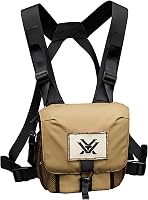
TrailSeeker ED includes a carry harness; the other models include a neck strap. For a practical comparison, see binocular harness versus neck strap and our guide to the best binocular harness for hiking and birding.
Keep caps on when the binoculars are stored, and use a clean lens cloth for fingerprints or dust. Brush away grit before wiping so debris doesn’t scratch the lens surface, and store the binoculars dry in their case.
What common buying mistakes should you avoid?
The biggest mistake is choosing by magnification alone. All four options use 8x magnification, but they differ in objective size, optical features, field of view, and carry accessories.
Don’t assume every 8x42 has the same view: Nature DX and Outland X have different stated fields of view and coatings. Don’t pay for ED glass unless reducing color fringing is worth the extra feature to you, and don’t choose the compact 8x32 if dim-light viewing is a regular need.
Also, don’t overlook fit. If the binoculars don’t sit comfortably at your eyes or feel awkward to carry, you may use them less often.
Try the setup at home and learn the focus and diopter controls before heading out.
Which Celestron binoculars should you choose?
For most birders, choose Nature DX 8x42 as the balanced all-around option. Choose Outland X 8x42 if its simpler optical feature set fits your needs, TrailSeeker ED 8x42 if you want ED glass and an included harness, or Nature DX 8x32 if compact daytime carry comes first.
If you often bird in changing light, lean toward an 8x42. If you carry binoculars all day and mostly watch in daylight, the 8x32 is the more compact fit.
If you’re still deciding whether Celestron binoculars are good for your needs, compare your priorities with best binoculars for the money.
Frequently asked questions
Are Celestron binoculars good for birding?
Yes. Celestron offers birding options with 8x magnification and weather-ready construction.
Its coated optics serve a range of needs.
The 8x42 models suit general outdoor use, while the Nature DX 8x32 is a more compact daytime choice.
Compare field of view, glass, and carry needs to choose the right fit for your usual outings.
Is 8x42 a good size for bird watching?
For many birders, 8x42 is a useful all-around size. Eight-power magnification can make it easier to hold a steady view while following movement.
The 42mm objectives suit varied outdoor light.
A smaller 8x32 is easier to carry, though its smaller objectives may be less suited to dim conditions.
What is the difference between Celestron Nature DX and Outland X?
Both are 8x42 binoculars with waterproof, nitrogen-purged construction and rubber armor. They also have BaK-4 prisms.
Nature DX has phase-coated prisms and a stated 7.4° field of view.
Outland X has multi-coated optics and a stated 7° field of view.
Is Celestron TrailSeeker ED good for birding?
TrailSeeker ED is an 8x42 option for birders who want extra-low dispersion glass and phase-coated BaK-4 prisms. It offers weather protection and includes a carry harness, neck strap, and case.
Choose it if reducing color fringing and having carry options matter more than keeping the design simple.