Binocular Harness vs Neck Strap: Which Carries Better? (October 2026)
Choose a binocular harness for long walks and less bouncing; choose a neck strap for a simple setup and quick access. A chest pack is the better fit when you want binoculars enclosed with room for a rangefinder.
On this page (7 sections)
- Binocular harness vs neck strap: which carries better on a walk?
- Which is more comfortable for your neck and shoulders?
- Is a harness slower to use than a neck strap?
- When is a chest pack worth the extra bulk?
- Who should skip each carry style?
- Which option fits your outing?
- What should you choose for binocular harness vs neck strap?
For binocular harness vs neck strap, choose a harness for long walks and less bouncing, or a neck strap for a simpler setup and quick access. A chest pack suits you when you want a pouch around your binoculars and space for related gear.
A neck strap hangs binoculars from your neck. A harness routes straps over your shoulders and holds binoculars nearer your chest, which can spread the load and limit swinging as you walk.
These options make different tradeoffs in comfort, access and bulk. Start with the time you spend on foot, then think about whether you want your binoculars exposed and ready or enclosed in a pouch.


Binocular harness vs neck strap: which carries better on a walk?
A harness is the better carry for long walks when you want binoculars held close and their weight spread across your shoulders. A neck strap is easier to put on and keeps binoculars simple to lift, but their weight hangs from your neck.
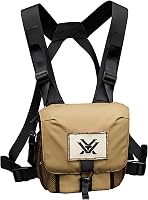
The Vortex Binocular Harness Strap uses flexible nylon and Lycra straps that let binoculars slide into viewing position. Its adjustable design is made to keep them close to your chest and reduce jostling while walking.
A neck strap has fewer straps to fit around your body. The Vortex GlassPak Pro Neck Strap has padding and quick-release buckles, but it remains a neck carry, so it may not be your first choice for hours on foot.
Think about your route as well as the time you’ll wear the binoculars. A short walk between viewing spots may not call for a harness, while a long day walking with optics ready can make shoulder support and reduced movement more useful.
Which carry style reduces bouncing?
A binocular harness is the better choice if swinging binoculars distracts you while walking. The Vortex harness is designed to keep them close to the chest and reduce jostling.
A loose neck strap lets binoculars swing as your pace changes or you step over uneven ground. Shortening the strap may limit movement, but can leave the binoculars higher against your chest or make them less comfortable to raise.
Fit matters with either style. Adjust the harness so the binoculars stay secure while still sliding into viewing position without tugging.
When is a binocular harness worth the extra straps?
A harness is worth the adjustment if you carry binoculars for long stretches or move over uneven ground. The shoulder straps spread the load and help keep the binoculars close while you walk.
A basic harness leaves the binoculars open and ready to raise. It doesn’t enclose them, so choose a chest pack instead if you want a pouch around the optics and room for a rangefinder.
Skip the harness if your outings are short, your binoculars spend most of the time in a bag, or you prefer the fewest straps possible. A neck strap is a straightforward choice for occasional viewing.
Which is more comfortable for your neck and shoulders?
A harness shifts more of the binocular load to your shoulders, while a padded neck strap cushions contact at the neck. The better option depends on how long you carry your binoculars and how the straps sit over your clothing.
The Vortex harness is intended to spread binocular weight across the shoulders. That makes it a better match for hours of birding, hiking or hunting than leaving the full load on your neck.
The GlassPak Pro neck strap has padding and is designed to reduce neck strain. Padding softens the contact, but the strap still supports the binoculars from your neck.
Try either setup over the clothing you expect to wear outdoors. A fit that feels fine over a thin shirt may sit differently over a jacket or pack, and the binoculars should be easy to raise without pulling the straps out of place.
What if you wear a backpack?
Check how a harness sits with your usual backpack before relying on it for a long outing. Backpack shoulder straps may overlap or press against a binocular harness, depending on your build and pack.
A neck strap may be easier to fit around a backpack, though its load remains at the neck. If your binoculars shift as you move, adjust the setup or choose a chest pack that holds them in a pouch.
For practical carry ideas on the trail, see our guide on how to carry binoculars while hiking. If you’re comparing harness styles, our guide to the best binocular harness for hiking, birding and hunting covers more options.
Is a harness slower to use than a neck strap?
A neck strap is the simpler setup, while a harness needs adjustment to sit comfortably and hold binoculars in place. Once fitted, either can keep your optics ready to raise.
The Vortex harness straps allow the binoculars to slide into viewing position. This suits birding and other outings where you switch between walking and looking, though you may need to adjust the straps before heading out.
The GlassPak Pro neck strap uses quick-release buckles for attachment and removal. Its straightforward layout works well for shorter outings or situations where you take the binoculars on and off often.
Start setup at home. Attach the carry system to the binoculars’ intended connection points, adjust it over your usual clothing, then raise and lower the binoculars several times to check for snags, pulling or unwanted movement.
If you are setting up a new carry system, follow our guide to attaching a strap to binoculars. Check that each connection is secure before heading out.
What setup mistakes should you avoid?
The most common setup mistake is adjusting for standing still instead of for walking and raising the binoculars. A secure carry should stay close while you move and still let you bring the optics up smoothly.
Don’t assume a loose fit will be more comfortable. Extra slack can let binoculars swing, while a harness that is too tight may make it harder to bring them into viewing position.
Check the attachment points after you put on a jacket or backpack. Clothing changes can shift where the straps sit, so make a quick adjustment before starting the walk.
When is a chest pack worth the extra bulk?
Choose a chest pack when you want a pouch around your binoculars and space for a rangefinder. It adds more structure than a harness or neck strap alone, along with weight and bulk.
The SPIKA Binocular Chest Pack has a four-point harness, a magnetic lid and a rain cover. It measures 7.09 x 3.54 x 8.66 in and weighs 1.2 lb before you add gear.
The pack suits someone who wants binoculars and a rangefinder together in a chest pouch. Its cover can help shield contents, but it is more than you need if your only goal is attaching binoculars to your body.
Check the pack’s fit with your binoculars and any other gear you carry. Keep the pouch organized so you can reach what you need without letting the lid or straps get in the way.
How should you care for a carry system?
Let a carry system dry before storing it if it gets damp, and check its straps and attachment points before each outing. A little attention helps you spot loose connections or wear before you’re on the trail.
Keep a chest pack’s lid and rain cover closed when conditions call for protection. A cover can help shield the contents, but it doesn’t remove the need to handle your optics carefully in wet weather.
After adjusting straps, make sure buckles and binocular connections are secure. Avoid carrying a setup that shifts or catches on your clothing until you’ve corrected the fit.
Who should skip each carry style?
Skip a harness if you want a minimal setup for occasional, short periods of viewing. A neck strap may suit that use better, especially if quick attachment and removal matter more than holding binoculars close while walking.
Skip a neck strap if you dislike having the weight hang at your neck for hours. A shoulder harness is a better match for extended walks, while a chest pack can add a pouch if you want more than support from straps.
Skip a chest pack if you don’t need enclosed storage or extra space for a rangefinder. Its additional bulk and 1.2 lb weight make it harder to justify when a simple harness or strap does the job.
Which option fits your outing?
Pick a harness for long walks and less movement, a neck strap for simple access, or a chest pack for contained storage. Start with the length of your outing, then consider what you carry alongside your binoculars.
The Vortex Binocular Harness Strap is the strongest match for hours on foot because it spreads weight across the shoulders and keeps binoculars close while walking. The GlassPak Pro Neck Strap is a simpler option for shorter outings or when quick release matters more.
Choose the SPIKA chest pack if a pouch, rain cover and room for a rangefinder are useful enough to justify its added bulk. If you’re still deciding which harness style suits your trip, compare the options in our binocular harness guide.
What should you choose for binocular harness vs neck strap?
Choose a binocular harness if you walk for hours or want binoculars held close as you move. Choose a neck strap if your outings are shorter and you want a simple connection that’s quick to use.
A chest pack makes sense when you want a covered pouch and space for related gear. Match the carry style to your route, your clothing and the time you’ll spend looking through your binoculars.
Frequently asked questions
Is a binocular harness more comfortable than a neck strap?
A binocular harness can feel more comfortable on long outings because it spreads binocular weight across your shoulders instead of concentrating it at your neck. A padded neck strap may suit shorter walks or lighter binoculars.
Fit, clothing and how often you raise the binoculars also affect comfort.
Does a binocular harness stop binoculars from bouncing?
A harness is designed to keep binoculars close to your chest and reduce jostling as you walk. How steady they feel depends on adjustment and your movement.
A loose neck strap lets binoculars swing more freely, so check that your setup stays secure while you move.
Can you use a neck strap with a binocular harness?
Some carry systems support both, but compatibility depends on the exact harness and strap. The Vortex GlassPak Pro neck strap is designed to work with the GlassPak Pro harness system.
Check attachment points and release buckles before combining gear from different systems.
Is a chest pack the same as a binocular harness?
A chest pack uses a harness to carry binoculars inside a pouch, while a basic harness suspends them close to your chest without enclosing them. A pack can add a lid and room for related gear, but it adds bulk and weight compared with straps alone.