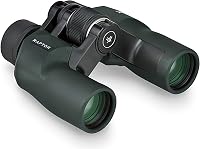
What Is ED Glass in Binoculars?
ED glass means extra-low dispersion glass. It helps reduce color fringing around high-contrast edges, which can make details and colors look clearer, but it doesn't guarantee a sharp view by itself.
On this page (7 sections)
ED glass in binoculars means extra-low dispersion glass, used to help reduce color fringing around high-contrast edges. It can make details look clearer and colors more natural, but the label alone doesn't tell you how the whole binocular will perform.
Color fringing is a faint colored outline that may appear where a dark subject meets a bright background, such as a bird against a pale sky. ED glass addresses that optical effect; it doesn't replace good focus, suitable magnification, or a comfortable fit.
What is ED glass in binoculars?
ED glass is a type of optical glass designed to limit chromatic aberration. Chromatic aberration happens when different colors of light don't focus at exactly the same point, which can show as colored edges.
ED stands for extra-low dispersion. Binocular makers use ED glass in objective lenses to help bring colors into closer focus and reduce that colored fringe.
The effect is easiest to notice on sharp, high-contrast boundaries. It may be less obvious on a low-contrast scene, or when you are viewing through haze or moving the binoculars quickly.
What does ED glass change in a view?
ED glass can reduce distracting color fringes and help fine edges look cleaner. That may be useful when you follow birds against a bright sky or inspect small details in a sunlit scene.
It doesn't magnify the subject more, widen the field of view, or make focusing easier. Those qualities depend on other parts of the binocular and on its magnification and design.
ED glass also doesn't guarantee perfect color or edge-to-edge sharpness. The lens design, prisms, coatings, alignment, focus, and viewing conditions all contribute to the image you see.
Does ED glass make binoculars brighter?
ED glass by itself isn't a brightness feature. Objective size, magnification, optical coatings, prism design, and available light all affect how bright a view appears.
For example, an 8x42 binocular and a 10x42 binocular share 42 mm objective lenses, but use different magnification. Their views can differ in ways that ED glass alone can't explain.
If low-light viewing matters, compare the whole optical system and the binocular's intended use. Our guide to exit pupil in binoculars explains one measurement that helps you assess the light beam reaching your eye.
Is ED glass worth it for birding?
ED glass may be useful for birding when color fringing around feathers or branches would distract you. It is one feature to weigh alongside magnification, field of view, focus, and how the binocular feels to carry.
An ED label isn't a reason by itself to choose one model. Read our guide to what to look for when buying binoculars for the other details that affect a buying decision.
How do you compare ED binoculars?
Compare the stated features of the complete binocular, not just the ED label. Start with magnification and objective size, then consider field of view, eye relief, coatings, weather protection, and weight.
These models show why the label isn't the full comparison: one uses 8x magnification and another 10x, while their other listed features differ too. Read what field of view means on binoculars when tracking moving subjects matters, and see [roof prism vs.
Porro prism binoculars](/roof-prism-vs-porro-prism-binoculars/) for a guide to prism layouts.
What can ED glass not tell you?
ED glass doesn't tell you whether a binocular fits your hands, eyes, or usual viewing conditions. It also doesn't guarantee that color fringing will be invisible in every scene.
If you wear glasses, check eye relief and whether the eyecups adjust to give you a full view. Try to assess comfort and focus control in person when possible, because those are personal fit questions.
For a buyer comparing ED binoculars, use the label as one clue about chromatic aberration. Then weigh the other listed optical and handling features against where and how you plan to look.
Is ED glass in binoculars worth paying attention to?
Pay attention to ED glass if reducing color fringing is a priority, then compare the rest of the binocular before choosing. For birding, consider it alongside field of view, magnification, and eye relief; for general use, handling and fit may matter just as much.
Compare ED models by their full specifications and intended use, not by the label alone. If you are still narrowing your options, start with what to look for when buying binoculars.
Frequently asked questions
What does ED mean on binoculars?
ED means extra-low dispersion. In binoculars, ED glass is used in the objective lenses to help reduce chromatic aberration, also called color fringing.
It can improve color edges and perceived clarity, though the whole optical system and viewing conditions also affect the image.
Are ED binoculars worth it?
ED binoculars can be worth considering if color fringing distracts you when viewing birds, branches, or other high-contrast details. Compare the full binocular, including its field of view, handling, coatings, and fit for your use.
ED glass alone doesn't guarantee that a binocular will suit you.
Does ED glass make binoculars brighter?
ED glass mainly addresses color fringing; it doesn't by itself promise a brighter image. Brightness also depends on factors such as objective size, magnification, coatings, and the light reaching your eyes.
Check those features together when comparing binoculars for shade or dim conditions.
Is ED glass the same as HD glass?
No single definition makes ED and HD interchangeable across all binocular brands. ED refers to extra-low dispersion glass, while HD is often used as a product label.
Check the specific model's stated optics and features instead of relying on either label alone.