Roof Prism vs Porro Prism Binoculars Explained: Which Is Better? (October 2026)
Roof prism binoculars are usually slimmer, while Porro prism binoculars have a wider, offset shape. Choose by handling, size and the features of the exact model, since prism type alone doesn't guarantee image quality.
On this page (7 sections)
Roof prism binoculars are usually slimmer, while Porro prism binoculars have a wider, offset shape. In a roof prism vs Porro prism comparison, choose the body style that fits your hands, pack and viewing habits, then compare the optics of each model.
The prism arrangement affects the binocular's shape, but it doesn't decide image quality by itself. Coatings, glass, alignment, magnification and objective size also matter.
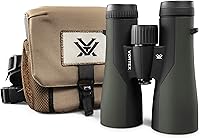
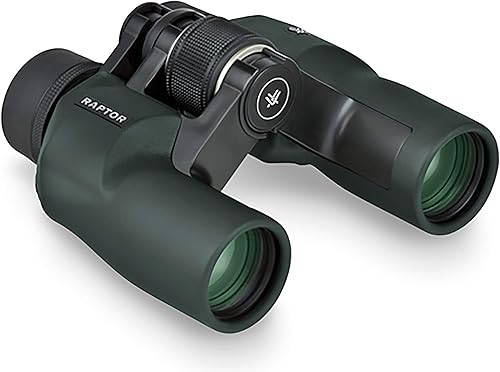
For example, the roof style Vortex Triumph HD is a 10x42 with fully multi-coated lenses and an included GlassPak harness. The Porro Vortex Raptor is a 10x32 with a wide-angle design, while the Celestron UpClose G2 is a 10x50 for buyers who can carry a larger binocular.

What is the difference between roof and Porro prisms?
Roof prism binoculars have a slimmer, straighter body; Porro prism binoculars have offset barrels that make the body wider. That visible shape comes from how each design routes light inside the binocular.
On a roof model, the barrels usually line up more closely with the eyepieces. This creates a narrow profile that can be easier to fit in a pack or carry close to your body.
On a Porro model, the objective lenses sit farther apart than the eyepieces. The familiar zigzag shape needs more width, but some users find the separated barrels comfortable to hold.
The body shape is only one part of the decision. If you want a broader overview of features such as magnification and coatings, start with what to look for when buying binoculars.
Does prism design decide image quality?
No. A prism label alone doesn't tell you which binocular will give the clearer view.
The glass, coatings, alignment and complete optical design all contribute.
The Vortex Raptor Porro has fully multi-coated lenses, and the Celestron UpClose G2 uses multi-coated optics with BK-7 prism glass. The Vortex Triumph HD roof model also has fully multi-coated lenses and an HD optical system.
These product details help you compare particular models, but they aren't a controlled comparison of image quality. Look at the exact binocular's optical features and consider what you can comfortably carry and use.
Which design is easier to carry?
A roof prism binocular is often easier to pack because its body is slimmer. Check the model's actual dimensions and weight before treating either style as a better choice for travel.
The Triumph HD is a full-size 10x42 and weighs 0.45 kg. Its included GlassPak harness offers a close-carry option for fast access.
The Raptor is a midsize 10x32 Porro. It weighs 1.1 lb and has a wider shape, so consider how it will sit in your bag or against your chest.
The Celestron UpClose G2 is a full-size 10x50 Porro and weighs 765 g. Its larger objectives and body make it a more natural fit for outings where you don't mind extra bulk.
For a model-focused comparison of compact options, see our guide to lightweight binoculars for travel and long walks.
Which design should you choose for birding?
Choose by the magnification and field of view that suit your birding, then factor in body shape. Either prism type can work for nature viewing if the exact binocular fits your needs.
The Vortex Raptor's wide-angle Porro design is one reason to consider it when you want a broad view. Its field of view is 339 ft, and its 10x magnification brings distant subjects closer.
The Triumph HD is also 10x, with 42mm objectives and a center focus. If you want to compare popular sizes for birding, see our guide to 8x42 binoculars for birding and nature.
An 8x42 model is a common alternative to 10x binoculars because lower magnification can make it easier to keep a moving bird in view. Compare field of view and handling as well as the prism design.
Does a Porro design give more depth?
The wider objective spacing can create a stronger sense of depth in some Porro binoculars. Your experience depends on the full optical design and what you're viewing, so don't assume every Porro model will look more three-dimensional.
For moving birds or quick scans, a view that's easy to aim may matter more than perceived depth. If you often look across broad areas, compare the field of view of the exact models you're considering.
Are Porro binoculars better for low light?
A larger objective lens can gather more light, but prism type alone doesn't make a binocular better in dim conditions. Compare objective size, exit pupil, coatings and your ability to hold the binocular steady.
The Celestron UpClose G2 has 50mm objectives and a 5mm exit pupil. The Triumph HD has 42mm objectives and a 4.2mm exit pupil, while the Raptor has 32mm objectives and a 3.2mm exit pupil.
Those numbers describe the models, not a guarantee of brighter or clearer views in every situation. Eye position, light, coatings and optical quality affect what you see.
A larger binocular can also be harder to carry and hold. If you want to compare objective sizes and their tradeoffs, see 10x42 vs 10x50 binoculars.
Which design works better with glasses?
Neither roof nor Porro prism design guarantees a comfortable view with glasses. Check the model's eye relief and eyecup adjustment, then make sure you can see the full field without pressing your glasses into the eyepieces.
The Triumph HD has 17mm of eye relief and adjustable rubber eyecups. The Raptor has 13mm and twist-up eyecups, while the UpClose G2 has 12mm and soft folding eyecups.
These measurements help narrow the choice, but comfort varies with your glasses and face shape. Our guide to using binoculars with glasses explains how to set the eyecups and check the view.
Which design is more durable in bad weather?
Weather protection depends on the model, not simply its prism design. Check whether the binocular is waterproof, water-resistant or fog proof, and follow care directions.
The Triumph HD and Raptor are nitrogen purged and waterproof and fog proof. The UpClose G2 is water-resistant.
All three have protective rubber on the body or rubber armor. That can help with grip, but it doesn't make a binocular indestructible.
If you carry binoculars on long walks, a stable harness can reduce swinging and keep them close at hand. See our guide to the best binocular harnesses for hiking, birding and hunting.
How do you choose between these binoculars?
Pick the roof model for a slimmer carry, the midsize Porro for a wide-angle design, or the larger Porro when you want 50mm objectives. The right choice depends on what you value most in the specific model.
The Vortex Triumph HD 10x42 is the straightforward roof option here, with 17mm eye relief and an included GlassPak harness. Choose it if those features suit your carry and viewing needs.
The Vortex Raptor 10x32 Porro combines 10x magnification with a wide-angle design in a midsize body. Consider it if that shape and its flexible fit appeal to you.
The Celestron UpClose G2 10x50 Porro pairs larger objectives with a water-resistant body. Consider it for backyard nature viewing when its larger size isn't a carry concern.
The prism type is a useful first filter. Choose by fit and carry, then compare the exact optics, field of view and weather protection.
Frequently asked questions
Are roof prism binoculars better than Porro prism binoculars?
Neither design is automatically better. Roof prism binoculars are often slimmer and easier to pack, while Porro prism binoculars have a wider offset shape.
Compare the exact models' optics, weight, field of view, eye relief and handling before you choose.
Do Porro prism binoculars show a better image?
Prism shape alone doesn't tell you which binocular will show the better image. Glass, coatings, alignment and the full optical design matter too.
Compare model-specific details, then consider whether its shape and controls suit the way you'll use it.
Are roof prism binoculars more compact?
Roof prism binoculars often have straight barrels that make a slimmer package. That can help when you carry them in a small day bag, but size depends on the model's magnification and objective lenses.
Check the dimensions and weight of the exact binocular.
Which binocular design is easier to hold?
The easier shape depends on your hands, face and viewing habits. A Porro design has a wider offset body, while a roof design is often slimmer.
Try to handle the exact model if you can, and check whether its eyecups and interpupillary range fit you.
Can you use Porro prism binoculars with glasses?
Yes, if the model provides enough eye relief and its eyecups adjust to your eyes. Eye relief varies by binocular: the Vortex Raptor has 13mm and the Celestron UpClose G2 has 12mm.
Fold or twist the eyecups down as needed and check the view for a full field.