HD Binoculars vs Regular Binoculars: Is HD Worth It? (November 2026)
HD binoculars are worth it when sharp edges, true color and low-light detail matter; regular binoculars are the better buy for casual, bright-day viewing. The HD binoculars vs regular binoculars choice comes down to what you look at and how often you look.
On this page (9 sections)
- HD binoculars vs regular binoculars: the quick verdict
- The two side by side: what HD changes
- What HD glass actually does to the image
- When HD glass is worth the extra cost
- When regular binoculars are the better buy
- Lens size and exit pupil matter as much as HD
- Coatings and sealing: the parts HD marketing skips
- Which pair fits which viewer
- The verdict: is HD worth it for you?
HD binoculars are worth it when sharp edges, true color and low-light detail matter; regular binoculars are the better buy for casual, bright-day viewing. In the HD binoculars vs regular binoculars decision, your viewing habits decide more than the label does.
HD glass changes how a lens handles color and sharpness. It does not change magnification or make a small lens gather more light.
That split is the heart of this comparison.
We compared specs and coatings across four pairs, two regular compacts and two HD full-size models, to show where the extra glass earns its cost.


HD binoculars vs regular binoculars: the quick verdict
The Vortex Triumph HD 10x42 is the overall winner for most readers who view seriously, and the Occer 12x25 is the clear pick for casual, light travel. Pick by how often you view and what light you view in.
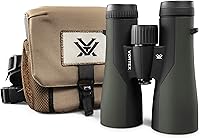
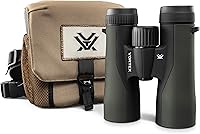
The Triumph pairs HD optical elements with a 42mm lens, 17mm eye relief and a sealed, fogproof body. That mix is why it wins for regular field use.
It also ships with a neck strap and an adjustable GlassPak harness, so the weight stays off your neck on long days.
The Occer stays the better buy when you want a light pair for bright days. It has 12x magnification and a wide 273 ft field of view in a 0.39 kg body.
Neither answer is wrong. The HD upgrade pays back in detail and color, while regular optics win on weight and price.
The two side by side: what HD changes
HD glass targets sharpness, color and edge detail; regular glass covers basic viewing at lower cost. Magnification and lens size still set reach and brightness.
The table below puts a regular compact and an HD full-size pair against each other. The other two models sit in the same categories and appear later in this comparison.
| Feature | Regular: Occer 12x25 | HD: Vortex Triumph HD 10x42 |
|---|---|---|
| Glass | FMC broadband coating, BAK4 prism | HD optical system, fully multi-coated |
| Objective lens | 25mm | 42mm |
| Magnification | 12x | 10x |
| Field of view | 273 ft at 1,000 yds | 0.67 degrees |
| Eye relief | 20mm | 17mm |
| Weight | 0.39 kg | 0.45 kg |
| Weather sealing | Water resistant | Waterproof and fogproof |
The numbers show the trade clearly. The regular pair gives you more magnification in less weight.
The HD pair gives you a bigger lens, better glass and a sealed body.
Magnification is not the same as optical quality. A 12x regular compact can look softer at the edges than a 10x HD pair, especially against bright sky or low sun.
The regular pair makes its own optical case. The Occer uses a BAK4 prism with FMC broadband coating, and its objective lens carries optical FMC multilayer broadband green film.
That is more glass treatment than the price tier usually gets.
The HD pair spreads its gains differently. Fully multi-coated lenses across all air-to-glass surfaces keep light transmission high, and the HD elements target the color fringing that regular glass leaves in.
If field width matters to you, our guide to binoculars field of view explains how degrees and feet at 1,000 yards translate to what you actually see.
What HD glass actually does to the image
HD glass elements are chosen to cut chromatic aberration and hold color and sharpness to the edge. That is the practical difference you notice, not a jump in magnification.
Chromatic aberration shows as color fringing on high-contrast edges, like a dark bird against bright sky. HD elements reduce it, so outlines look cleaner.
The effect builds across the whole frame, which is why edges improve first.
The Triumph's HD optical system uses optimized glass elements for resolution, color fidelity and edge-to-edge sharpness. The Crossfire HD applies the same idea to a 12x50 body.
Its roof prism design keeps that body compact and durable.
Regular glass still produces a usable image. The gap shows up at the edges, in strong light and on fine detail such as feather texture or distant lettering.
The regular compacts are not bare glass either. The Hontry uses BAK4 prisms for 3D depth and detail, and lists low night vision for dimmer conditions.
The Occer adds blue FMC coating on the eyepiece side. HD is a step up in glass selection, not a switch from none to some.
Our explainer on what is ED glass in binoculars covers the related low-dispersion glass many HD models use. HD and ED labels overlap in practice, and both aim at the same color problem.
When HD glass is worth the extra cost
HD is worth it when you view in low light, look at distance or spend long sessions with the glass to your eyes. Each of those situations rewards better glass.
Low light and dawn or dusk viewing
A bigger objective lens gathers more light. The Triumph's 42mm lens and the Crossfire's 50mm lens both beat a 25mm compact as the light fades.
HD glass adds cleaner color on top of that light gathering. At dusk, colors stay truer and edges stay sharper than regular glass at the same size.
The regular compacts are honest about their limit. The Occer lists low light night vision but notes it is not for a completely dark night.
No 25mm lens changes that.
Long sessions and distant detail
HD glass reduces eye strain over long viewing because the image is cleaner to start with. The Triumph weighs 0.45 kg and includes a harness for all-day carry.
Distance detail is where the Crossfire HD 12x50 fits. Its 12x power and 50mm lens pull detail from open country, and its HD glass keeps that detail clean.
Its 15mm eye relief is the tradeoff. That is enough for most bare-eyed viewers but tighter than the Triumph's 17mm for glasses wearers.
Buyers who view often
If you view most weekends and want the best image your budget allows, HD earns its cost. The gain compounds over years of use.
A casual viewer who takes binoculars out a few times a year will see less return. The regular pair covers those trips at lower weight and cost.
When regular binoculars are the better buy
Regular binoculars win for casual viewing, bright daylight and anyone who wants a light pair to carry. They cover most everyday uses well.
The Occer 12x25 weighs 0.39 kg and fits in one hand. It lists a 20mm eye relief and pull-down eyecups that suit glasses wearers.
Its 15mm eyepieces are large for a compact, which helps the view feel less cramped.
The Hontry 10x25 adds a 10x magnification that is easier to hold steady than 12x. Its adjustable 60mm to 75mm interpupillary distance lets kids and most adults share it.
It weighs 9.6 ounces, so it disappears in a bag.
Both compacts use a center focus wheel and manual focus. That is the same focus type the Vortex pairs use, so the handling feels familiar across the price tiers.
For bright-day birding, travel, cruises and ball games, regular glass does the job. The image is sharp enough, and the pair is easy to pack.
Our guide on how to adjust binoculars helps you set the eyecups, diopter and hinge so either type fits your eyes.
Lens size and exit pupil matter as much as HD
A bigger lens and a larger exit pupil often do more for brightness than the HD label alone. Check both before you pay for better glass.
Exit pupil is the objective lens diameter divided by the magnification. The Triumph's 42mm lens at 10x gives a 4.2mm exit pupil.
The Crossfire's 50mm at 12x also works out to about 4.2mm.
The regular compacts sit lower. A 25mm lens at 10x gives 2.5mm, and the 12x Occer lists a 2.5mm exit pupil.
Smaller exit pupils dim faster as light drops.
Our guide to what is exit pupil in binoculars explains the math and what pupil size means for your viewing. A larger exit pupil is also more forgiving of eye position.
HD glass improves color and edge sharpness within those limits. It cannot make a 25mm lens gather light like a 50mm lens.
Weigh both specs together.
Coatings and sealing: the parts HD marketing skips
Fully multi-coated lenses and a sealed, fogproof body matter as much as the HD label. These are the features that keep the image usable in the field.
All four pairs here are fully multi-coated. The Triumph and Crossfire add nitrogen purging and o-ring seals for waterproof, fogproof performance.
The Occer lists life waterproof, water resistant construction.
Sealing matters if you view in rain, mist or cold. Fog inside the body ruins a view, and HD glass does not prevent it.
The Vortex models carry that protection as part of the package.
The Crossfire uses a roof prism design for a more compact shape and durable build. Its aluminum body and rubber armor give a secure, non-slip grip.
The Triumph adds a polycarbonate chassis and full rubber armor for shock resistance.
Coating quality is easy to overlook when HD is the headline. A fully multi-coated regular pair can beat a poorly coated HD pair in real light.
Which pair fits which viewer
The higher score goes to the pair that best fits the most readers, and each model here has a clear owner. Use the badges as a shortcut, then check the specs.
Who should buy the regular compacts
The Occer 12x25 is best for light travel and casual viewing. Pick it if you want a pocketable pair for cruises, ball games or backyard birding in daylight.
The Hontry 10x25 is best for family sharing. Its 10x view is steadier in the hand, and the wide IPD range fits kids and adults.
Who should buy the HD pairs
The Vortex Triumph HD 10x42 is best for all-day field use. Choose it if you view often, want a sealed body and value sharp edges and true color.
It is tripod adaptable and has an adjustable diopter for eye differences.
The Vortex Crossfire HD 12x50 is best for distance glassing. Pick it when 12x power and a 50mm lens matter more than saving weight.
It is tripod adaptable too, which helps at 12x.
The overall winner
For most readers who view seriously, the Triumph HD 10x42 wins. It balances HD glass, a 42mm lens, weather sealing and a comfortable 17mm eye relief in one full-size package.
Our score weighs specs, features and buyer feedback against what you're shopping for. The Triumph's HD system and sealed body put it ahead for regular field use.
The verdict: is HD worth it for you?
Buy HD if you view often in low light or at long distance; buy regular if your viewing is casual and bright. That rule settles the HD binoculars vs regular binoculars question for most people.
Pick the Vortex Triumph HD 10x42 if you want one pair for regular field use. It gives you HD glass, a 42mm lens and a fogproof body, and the harness keeps it close on long days.
Pick the Vortex Crossfire HD 12x50 if your viewing is distant and open. Its 12x power and 50mm lens reach detail the smaller pairs cannot.
Pick the Occer 12x25 for light travel and bright-day viewing. It keeps 12x power in a 0.39 kg body with 20mm eye relief.
Pick the Hontry 10x25 when the pair will be shared. The steady 10x view and wide IPD range make it the family choice.
HD glass earns its cost when you will use it. If you view a few times a year in daylight, a regular pair is the smarter buy and leaves money for trips.
Frequently asked questions
Is HD worth it in binoculars?
HD is worth it when you view in low light, look at fine detail or spend long sessions behind the glass. HD glass elements cut chromatic aberration and hold color and edge sharpness better than regular optics, so the upgrade shows most at dawn, dusk and long distance.
What does HD actually mean on binoculars?
There is no single standard. Makers use HD to mean glass elements chosen to reduce chromatic aberration and hold sharpness and color to the edge.
It is a maker label for optical quality, not a measurement you can compare across brands.
Are HD binoculars brighter than regular ones?
Brightness depends most on the objective lens and exit pupil, not the HD label alone. A 42mm or 50mm HD lens gathers more light than a 25mm regular lens, but a 25mm HD pair will not beat a 50mm regular pair in low light.
Should a beginner buy HD binoculars?
Not first. A regular compact pair is lighter and cheaper for bright-day birding, travel and ball games.
Move to HD glass once you know you view often and want sharper edges and truer color.
Do HD binoculars work with glasses?
Yes, if the eye relief is long enough. Look for 15mm or more, and use twist-up or pull-down eyecups.
The Occer 12x25 lists 20mm eye relief, while the Hontry 10x25 lists 10mm, which is tight for glasses.
How much more do HD binoculars cost?
HD glass sits in a higher price tier than regular optics of the same size. You pay for selected glass elements, better coatings and often a sealed, fogproof body.
Compare within the same magnification and lens size before deciding the upgrade pays.