10x50 vs 12x50 Binoculars for Hunting: Which Fits You? (November 2026)
Pick 10x50 for the steadiest, brightest view from your hands, and 12x50 when you glass open country from a rest. The 10x50 vs 12x50 binoculars for hunting choice comes down to how steady you hold them and how far you glass.
On this page (10 sections)
- What's the difference between 10x50 and 12x50 binoculars for hunting?
- Which magnification stays steady in your hands?
- Which one is brighter at dawn and dusk?
- How wide a field of view do you need?
- What about eye relief and eyeglass wearers?
- Which build and coatings hold up in the field?
- Who should buy a 10x50?
- Who should buy a 12x50?
- How we scored these hunting binoculars
- Which should you buy?
Pick 10x50 for the steadiest, brightest view from your hands, and 12x50 when you glass open country from a rest. For most hunters, the 10x50 vs 12x50 binoculars for hunting decision lands on 10x, because steadiness and light matter more than extra magnification.
The 12x50 shows more detail at distance, but only if you can hold it still. A 10x50 with a wide view and a bright 5mm exit pupil is the safer all-round choice for a hunter who walks and glasses on the move.
This comparison uses four binoculars across both magnifications. We checked the magnification, exit pupil, field of view, eye relief and coatings to show what each class does well and where it gives ground.


What's the difference between 10x50 and 12x50 binoculars for hunting?
The number in front is magnification and the number after is the objective lens in millimeters. A 10x50 makes game look 10 times closer through a 50mm lens, and a 12x50 makes it look 12 times closer through the same 50mm lens.
Both classes gather light through a 50mm objective, so the real split comes from the exit pupil and the field of view. The exit pupil is the bright circle your eye sees through, and you get it by dividing the objective by the magnification.
That math gives the 10x50 a 5mm exit pupil and the 12x50 about 4.2mm. The larger circle on the 10x50 delivers more light to your eye when the light fades.
More magnification shrinks the field of view at the same objective size. The 12x50 models here list about 271 to 273 ft at 1,000 yd, while the Bushnell Falcon 10x50 lists 300 ft.
10x50 vs 12x50 hunting binoculars side by side
| Feature | 10x50 | 12x50 |
|---|---|---|
| Magnification | 10x | 12x |
| Objective lens | 50mm | 50mm |
| Exit pupil | 5mm | About 4.2mm |
| Field of view | Up to 300 ft at 1,000 yd | About 271 to 273 ft |
| Hand steadiness | Easier to hold steady | Harder to hold steady |
| Best use | Walking and glassing | Glassing from a rest |
The table shows the trade in plain terms. You gain reach with the 12x50 and give up light and a wide view.
Which magnification stays steady in your hands?
The 10x50 stays steadier in the hands, and the 12x50 needs a rest for long glassing. Hand shake grows with magnification, so the extra 2x on the 12x50 also increases the wobble you see.
Hold a pair at 10x and the image settles quickly after you stop moving. At 12x, every small tremor in your arms shows up in the view, and the image takes longer to calm.
That matters most when you glass standing, after a climb or in cold weather. A 12x50 that shakes is harder to use than a 10x50 you can hold still.
The fix is simple. A tree trunk, a shooting stick or a tripod steadies a 12x50, and both Vortex models here are tripod adaptable.
If you already carry a support, the 12x50 earns its place.
When 12x50 pays off from a rest
Open country rewards magnification. When you scan a far ridge for bedded elk or watch a distant basin, 12x shows antlers and body shape that 10x blurs.
Set the binoculars on a tripod or a window mount and the shake problem goes away. The image holds still, and the extra detail becomes usable.
That is the case for a 12x50 in a hunting kit built around long sits. You park or stand at a glassing point and study the country from a support.
Which one is brighter at dawn and dusk?
The 10x50 is brighter in low light because its 5mm exit pupil puts more light into your eye. The 12x50's 4.2mm exit pupil is smaller, so the image dims sooner as the sun drops.
Hunters glass the most at first and last light, when game moves. A bright image helps you pick an animal out of cover and judge it before you commit.
The Bushnell Falcon 10x50 and the Bushnell PowerView 10x50 both carry a 5mm exit pupil. The Vortex Crossfire HD 12x50 lists 4.2mm, and the Diamondback HD 12x50 lists 4.17mm.
Glass quality narrows the gap. Vortex says its HD glass elements improve resolution, color fidelity and light transmission.
That helps the 12x50 make the most of its smaller pupil.
Even so, a 12x50 won't beat a 10x50 of similar glass at last light. If your hunt hinges on the final minutes of legal shooting light, lean toward 10x50.
How wide a field of view do you need?
A wider field helps you find moving game, and the 10x50 models here offer the most room. A 300 ft field at 1,000 yd shows more country in the eyepiece than 271 ft.
When a deer breaks from cover, you have seconds to get the binoculars on it. A wide field gives you more margin for error and less panning to find the animal.
The Bushnell Falcon 10x50 lists 300 ft at 1,000 yd, the widest here. The Bushnell PowerView 10x50 lists 113.2 ft, which is narrow for a 10x50 and worth knowing before you buy.
The Vortex 12x50 models sit in the middle at about 271 to 273 ft. That is normal for 12x and fine for scanning open country where game is far off.
If you hunt tight timber and need to pick up running game, the wide 10x50 view is the friendlier tool. If you glass big open slopes, the narrower 12x50 view costs you little.
What about eye relief and eyeglass wearers?
The 12x50 Vortex models give more eye relief for glasses, and the 10x50 Bushnell pairs are tighter. Eye relief is the distance your eye needs to sit behind the lens to see the full view.
The Vortex Crossfire HD 12x50 lists 15mm of eye relief, and the Diamondback HD 12x50 lists 14mm. Both twist-up eyecups let you set the right position with or without glasses.
The Bushnell Falcon 10x50 lists 9mm of eye relief, and the PowerView 10x50 lists 10mm. Fold-down eyecups help, but those figures are short for eyeglass wearers who want the full field.
If you wear glasses in the field, the 12x50 Vortex models are the easier fit. If you shoot with your glasses off or use contacts, the 10x50 Bushnell pairs are workable.
Test the eyecups against your own glasses before you commit. Eye relief is personal, and a few millimeters can decide whether you see the whole image or a tunnel.
Which build and coatings hold up in the field?
The Vortex 12x50 models are sealed and fogproof, while the Bushnell 10x50 pairs are built for budget use. Field conditions decide how much sealing and coating matter.
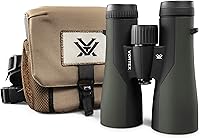
The Vortex Crossfire HD 12x50 is nitrogen purged with o-ring seals, so it resists fog and water. Vortex backs it with a lifetime VIP warranty and includes a GlassPak harness in the box.
The Vortex Diamondback HD 12x50 adds a dielectric coating for brighter, color-accurate images and an Armortek coating that protects the front lenses from scratches, oil and dirt. It's argon purged and ships with the GlassPak harness too.
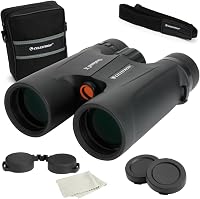
The Bushnell Falcon 10x50 uses fully coated optics and a rubberized, abrasion-resistant housing. The PowerView 10x50 uses BK-7 multi-coated optics and Realtree AP camo rubber armor.
For wet, cold hunts that last days, the sealed 12x50 Vortex pairs ask less of you. For fair-weather walks and budget-conscious buyers, the 10x50 Bushnell pairs do the job.
Who should buy a 10x50?
Buy a 10x50 if you glass on the move and want the steadiest, brightest view for the money. It is the better first hunting binocular for most people.
The Bushnell Falcon 10x50 is the top pick here. Its 10x magnification stays steady in the hands, the 5mm exit pupil holds up at dawn and dusk, and the 300 ft field helps you find game fast.
The InstaFocus system gets you on a moving target quickly, which suits still-hunting and spot-and-stalk. The rubberized grip stays put in wet weather, and the 830 g weight is a fair trade for a 50mm objective.
The Bushnell PowerView 10x50 is the camo option. Its Realtree AP housing blends into cover, and the 5mm exit pupil keeps low-light viewing usable.
Its 113.2 ft field is narrower, so it suits close cover more than open country.
Skip the 10x50 if your hunts are mostly long sits over big country. That is where the 12x50 earns its keep.
Our guide to the best binoculars for elk hunting covers long-range glassing setups in more detail.
Who should buy a 12x50?
Buy a 12x50 if you glass wide basins and distant ridges from a tripod or rest and want more detail. It rewards patience and a steady support.
The Vortex Crossfire HD 12x50 is the long-range pick. The 12x shows antlers and body shape at distance, HD glass cuts color fringing, and the 15mm eye relief works with glasses.
It's nitrogen purged and fogproof for wet weather.
The Vortex Diamondback HD 12x50 is the premium step. Its dielectric coating brightens the image and keeps colors true, and Armortek protects the front glass.
The GlassPak harness in the box helps carry the weight.
Both 12x50s are tripod adaptable. Mount one on a tripod or a car window mount and the image holds still while you study a far slope.
Skip the 12x50 if you mostly glass standing or walking. The extra magnification magnifies hand shake and the smaller exit pupil dims at last light.
Our comparison of 10x42 vs 10x50 binoculars covers the lighter end of the size range.
A quick note on 8x and 10x options
Some hunters step down to 8x for the widest view and easiest hold. That trade is worth knowing, and our 8x30 vs 8x42 binoculars comparison lays out the size and light differences.
Some hunters also pack a monocular to save weight. If you're weighing that, our binoculars vs monocular piece covers what you give up in the view.
How we scored these hunting binoculars
Our score weighs specs, features and how well each pair fits what a hunter needs. Magnification, exit pupil, field of view, coatings and sealing carry the most weight.
The Bushnell Falcon 10x50 leads at 9.7 because its 10x stays steady, its 5mm exit pupil holds light late, and its 300 ft field helps you find game. The PowerView 10x50 follows at 9.6 for its camo build and 5mm exit pupil.
The Vortex Crossfire HD 12x50 scores 8.6 for HD glass and sealed construction, but its 12x and 4.2mm exit pupil cost it points for hand-held hunting. The Diamondback HD 12x50 sits at 8.4 as the premium long-range option.
The ranking reflects the typical hunter who walks and glasses. If you glass only from a rest, the 12x50 models move up in your own shortlist.
Which should you buy?
Buy the Bushnell Falcon 10x50 for most hunting, and choose a 12x50 when you glass long distances from a rest. That is the short answer to 10x50 vs 12x50 binoculars for hunting.
Pick the 10x50 Bushnell Falcon if you want a steady, bright, wide view you can carry and use without a tripod. Pick the PowerView 10x50 if camo matters and you hunt close cover.
Pick the Vortex Crossfire HD 12x50 if your hunts center on open country and you already carry a support. Pick the Diamondback HD 12x50 if you want the brightest, clearest long-range image and the included harness.
The decision rule is simple. Glass on the move and want steady, bright images: 10x50.
Glass distant ridges from a tripod or window mount: 12x50. Match the magnification to how you hunt, and the rest of the specs fall into place.
Frequently asked questions
Is 10x50 or 12x50 better for hunting?
A 10x50 is the better all-round hunting choice for most people, because 10x stays steady in the hands and the 5mm exit pupil stays bright in low light. A 12x50 suits hunters who glass long distances from a tripod or rest and want more detail.
Can you hold 12x binoculars steady by hand?
Most hunters find 12x hard to hold steady for long, because the extra magnification magnifies every hand tremor. Brace against a tree, use a tripod or mount them on a window mount when you glass open country for long spells.
What does 10x50 mean on binoculars?
10x50 means 10x magnification and a 50mm objective lens. The 10x makes distant game appear 10 times closer, and the 50mm lens gathers light for a 5mm exit pupil, which helps at dawn and dusk.
Is a 12x50 brighter than a 10x50?
No. The 12x50 has a smaller 4.2mm exit pupil than the 10x50's 5mm, so it delivers less light to your eye.
The 10x50 stays brighter in low light, while the 12x50 shows more detail at distance.
What field of view should hunting binoculars have?
Aim for a wide field so you can find moving game quickly. The Bushnell Falcon 10x50 lists 300 ft at 1,000 yd, which is generous for a 10x50.
The 12x50 models here list about 271 to 273 ft.
Do 12x50 binoculars need a tripod?
They benefit from one for long glassing sessions. The Vortex 12x50 models are tripod adaptable, so you can mount them on a tripod or a car window mount to hold the image still while you scan distant ridges.