Binoculars vs Monocular: Which Is Better Outdoors? (October 2026)
Choose binoculars for longer, two-eye viewing, or a monocular for compact carry and quick checks. In the binoculars vs monocular decision, your viewing habits and comfort matter more than the format alone.
On this page (10 sections)
- Binoculars vs monocular: what changes when you look through them?
- Which format suits longer viewing?
- Which is easier to carry while hiking or hunting?
- Do binoculars give a brighter or steadier view?
- Which format makes more sense for hunting?
- Which monocular should you choose?
- When should you choose binoculars?
- How should you set up and care for either optic?
- What common mistakes should you avoid?
- Binoculars vs monocular: what’s the clear decision?
Choose binoculars for longer, two-eye viewing, or a monocular for compact carry and quick checks. In the binoculars vs monocular decision, your viewing habits and comfort matter more than the format alone.
Binoculars have two barrels, one for each eye. A monocular has one viewing tube, which takes less room but asks you to line up one eye each time you look.
The right choice depends on what you do outdoors. Long wildlife watches and repeated scans favor binoculars, while short stops, tight pack space and quick checks often favor a monocular.


Binoculars vs monocular: what changes when you look through them?
Binoculars give you two-eye viewing; a monocular gives you a one-eye view. That difference shapes viewing comfort and carry, but it doesn’t make one format right for every outing.
With binoculars, both eyes look through separate barrels. Many people find that natural for a longer look because they don’t need to close one eye or keep switching sides.
A monocular has a single barrel. It can fit more easily into a pocket or attach to gear, though bringing it to your eye and aligning the view takes practice.
Both formats are available in different magnifications and objective lens sizes. Compare the specific models you are considering instead of assuming that every monocular is smaller or every binocular is more comfortable.
Which format suits longer viewing?
Binoculars are usually the better starting point for extended observation, especially if two-eye viewing feels more natural to you. A monocular suits shorter checks or people who are comfortable viewing through one eye at a time.
Think about how long you tend to keep an optic raised. Watching a hillside or following wildlife for several minutes can make eye comfort more important than shaving space from your pack.
The Vortex Triumph HD binoculars have adjustable rubber eyecups and a diopter adjustment. These let you set the viewing position and adjust for differences between your eyes.
A monocular can be easier to raise for a quick look and put away again. If you expect to scan repeatedly throughout an outing, consider whether one-eye viewing will stay comfortable after many short sessions.
How does binoculars vs monocular viewing affect scanning?
Binoculars can feel more natural when you scan with both eyes, while a monocular takes practice to aim quickly. The view you get also depends on magnification and the model’s field of view.
To use a monocular, first find the subject with your unaided vision. Raise the optic without looking away from the subject, then make small adjustments until the subject appears in the view.
With either format, a moving bird or distant animal can be hard to find if you move the optic before locating the subject. A wider field of view can make searching easier, while higher magnification can make it harder to keep a subject in view.
Read our guide to field of view on binoculars before comparing models for scanning. If you wear glasses, our guide to using binoculars with glasses explains how eyecups and eye position affect the view.
Which is easier to carry while hiking or hunting?
A monocular takes less room, while a binocular harness keeps binoculars close and ready to use. Choose based on whether a small pack footprint or fast access to two-eye viewing matters more.
The Vortex Solo weighs 9.7 ounces and includes a multi-position utility clip for clothing or equipment. That makes it a practical option when you want a small optic attached to gear or stored within easy reach.
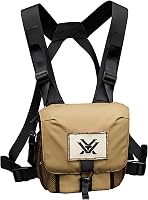
The Vortex Triumph HD is a full-size 10x42 binocular. It comes with a neck strap and an adjustable GlassPak harness, which can keep it against your chest between viewing stops.
A carry setup affects how often you reach for an optic. A binocular tucked deep in a pack is less convenient for quick checks, while a monocular clipped to gear is still something you must hold up when viewing.
For more options, see how to carry binoculars while hiking and our guide to the best binocular harnesses for hiking, birding and hunting.
Does a monocular keep your hands free?
A monocular clip can keep the optic attached to your gear, but you still need a hand to use it. A binocular harness also keeps binoculars close between views, but you hold them while looking through them.
The Vortex Solo’s utility clip supports quick attachment to clothing or equipment. That can make it easier to retrieve than an optic buried in a pack.
Before walking through brush or handling other gear, secure your optic. A loose optic can swing, snag or get in the way, regardless of its format.
Do binoculars give a brighter or steadier view?
Neither format guarantees a brighter or steadier image; compare the model’s lens size and optical design, and use a stable hold. At 10x magnification, hand movement can be noticeable with either type.
All 3 options here provide 10x magnification. The Vortex Solo has a 36mm objective lens, while the Vortex binoculars and Bushnell monocular have 42mm objectives.
Lens size is only one part of the comparison. The Triumph HD uses an HD optical system and fully multi-coated lenses, while Bushnell describes the Legend’s optical system as using ED Prime glass and Ultra Wide Band Coating.
For a steadier view, tuck your elbows against your body or rest them on a stable surface. When you are seated, a support can help reduce movement during longer observation.
Which format makes more sense for hunting?
Choose binoculars for regular scans across open country; choose a monocular when a smaller carry format matters more. How often you glass and how long you watch should guide the decision.
Hunting in open terrain can involve repeated checks of ridgelines, draws and distant movement. If scanning is a regular part of your approach, binoculars make a strong case because you can watch with both eyes.
A monocular can suit a hunt where you want to cover ground with less gear or keep a small optic close at hand. It is a weaker fit if you expect long viewing sessions and find one-eye use tiring.
If you’re choosing binoculars for open country, our guide to binoculars for elk hunting covers considerations such as magnification and carry. Match your choice to the terrain and the time you expect to spend glassing.
Are binoculars or a monocular better for birding and wildlife?
Binoculars usually suit longer bird and wildlife watching, while a monocular works for occasional looks and lighter carry. Following movement is often easier when viewing with both eyes, but field of view and magnification also matter.
A bird in a tree or an animal moving across a clearing can be difficult to locate through a narrow view. Use unaided vision to find the subject first, then bring your optic up while keeping your gaze in the same direction.
If you take frequent walks and want a simple carry setup, a monocular can be a sensible choice. For birding trips where you expect to observe and follow subjects for longer stretches, start with binoculars.
Which monocular should you choose?
Choose the Vortex Solo for lighter carry and a clip, or the Bushnell Legend Ultra HD for a 10x42 monocular. Both use one-eye viewing, so eyecup fit and how you plan to carry the optic should help settle the choice.
The Vortex Solo 10x36 Monocular weighs 9.7 ounces and includes a utility clip. Its adjustable eyecup supports viewing with or without glasses, and the optic is waterproof and fog proof.
The Bushnell Legend Ultra HD 10x42 Monocular has a 42mm objective lens and a twist-up eyecup. Bushnell describes its optical system as using ED Prime glass and Ultra Wide Band Coating.
Choose the smaller Vortex if low weight and attachment to gear are priorities. The Bushnell suits buyers who want a larger objective lens in a monocular, though the larger lens does not guarantee a better view in every situation.
When should you choose binoculars?
Choose binoculars when you expect frequent or longer viewing and want to use both eyes. They are a poor fit if pack space and the smallest possible optic matter more than viewing comfort.
The Vortex Triumph HD 10x42 includes an adjustable GlassPak harness and neck strap. Its adjustable eyecups and diopter let you set the viewing position, and the binocular is waterproof, fog proof and shockproof.
Before buying a full-size binocular, check that its size and carry method fit your route. A harness can keep it ready to reach, but it will take more space than a single-tube optic.
How should you set up and care for either optic?
Adjust the eyecup, focus and eye position before relying on an optic in the field. A few calm minutes at home can make it easier to find a clear view outdoors.
If you wear glasses, begin with the eyecup setting that gives your eyes enough distance from the eyepiece. Look through the optic and adjust its position until the full field is visible without pressing the eyepiece against your lenses.
For binoculars, set the interpupillary distance by moving the barrels until the two circles of view merge into one. Then adjust the focus and diopter according to the instructions for your model, so each eye sees a clear image.
Keep lens covers on when the optic is not in use, and use a clean lens cloth for dust or smudges. Avoid wiping grit across a lens, since particles can scratch the surface.
What common mistakes should you avoid?
Don’t choose by magnification or lens size alone; match the format and handling to how you will use it. A strong spec on paper cannot make an uncomfortable viewing position work for you.
One common mistake is choosing a monocular only for its compact size, then expecting it to feel like binoculars during a long watch. Try the one-eye format first if you will rely on it for repeated or extended viewing.
Another is assuming a larger objective lens guarantees a brighter image. Lens size matters, but coatings, optical design, light conditions and how steadily you hold the optic matter too.
Avoid raising an optic before locating a moving subject with your unaided eyes. That small habit can save time and make either format easier to use.
Binoculars vs monocular: what’s the clear decision?
Pick binoculars for frequent glassing, longer observation and two-eye comfort; pick a monocular for compact carry and quick checks. If you’re between the two, handle both and see which one you can aim and hold comfortably.
For a monocular, the Vortex Solo is the direct choice when low weight and a clip matter most. Choose the Bushnell Legend if you want a 10x42 monocular with a twist-up eyecup.
For binoculars, the Vortex Triumph HD makes sense when you want an included harness and adjustable viewing fit. Choose the format that matches your actual time spent watching, then compare individual models for carry, field of view and fit.
Frequently asked questions
Are binoculars better than a monocular for hunting?
Binoculars suit longer observation when you want to use both eyes, while a monocular is easier to carry in a small space or attach to gear. For hunting, choose by how often you glass, how far you walk and whether one-eye viewing feels comfortable during repeated checks.
Can you use a monocular with glasses?
Yes, the Vortex Solo has an adjustable eyecup for viewing with or without glasses, and the Bushnell Legend has a twist-up eyecup. Adjust the eyecup and position the optic until the full view is visible without pressing the lens against your glasses.
Do binoculars give a wider view than monoculars?
The format alone doesn't determine field of view; magnification and optical design matter too. Compare the published field-of-view figures for the exact models you're considering, and remember that a wider view can make it easier to locate a moving animal or bird.
Which is easier to carry on a hike?
A monocular is usually the simpler choice when your priority is a small optic that can stay in a pocket or clip to equipment. Binoculars can still be convenient when carried in a harness, which keeps them close and ready without holding them in your hands.