Vortex Crossfire HD 8x42 vs 10x42: Which Is Better? (November 2026)
Choose the Vortex Crossfire HD 10x42 for the best overall reach. Pick the Vortex Crossfire HD 8x42 instead when a wider view and easier tracking matter more than extra magnification.
On this page (11 sections)
- Vortex Crossfire HD 8x42 vs 10x42: the quick verdict
- How do the Crossfire HD models compare?
- Which model gives more detail at a distance?
- Why does the 8x42 have a wider field of view?
- Which binocular is easier to hold steady?
- How do the 42mm lenses affect everyday viewing?
- Which one suits birding and travel?
- Which one suits hunting and distant wildlife?
- What care and setup do both models need?
- Which Crossfire HD binocular should you buy?
- Final verdict: Vortex Crossfire HD 8x42 or 10x42?
Choose the Vortex Crossfire HD 10x42 for the best overall reach. The Vortex Crossfire HD 8x42 vs 10x42 choice becomes simple when you match magnification to your subject: 10x for distant detail, or 8x for a wider and easier-to-follow view.
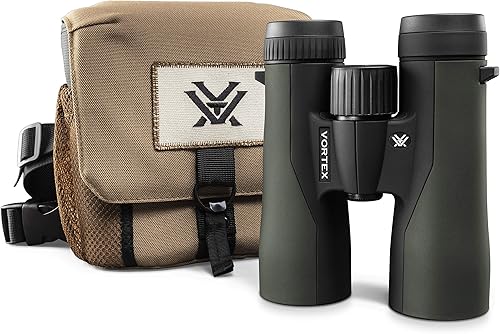
Both models use 42mm objective lenses, fully multi-coated lenses and a roof prism design. Both are tripod adaptable, have adjustable eyecups, use center focus and include a GlassPak binocular case, Rainguard eyepiece cover, tethered objective lens cover, comfort neck strap and lens cloth.
The 10x42 earns the higher overall score because extra reach helps with distant wildlife and open views. The 8x42 remains the better fit for fast-moving subjects, woodland viewing and anyone who values a broader view through the glass.
Vortex Crossfire HD 8x42 vs 10x42: the quick verdict
Pick the Vortex Crossfire HD 10x42 if distant detail is your main goal. Its 10x magnification brings a farther subject closer in the view, while the 42mm objective lenses keep it in the same general size class as the 8x42.
Pick the Vortex Crossfire HD 8x42 for easier scanning and tracking. The 390 ft field of view is 65 ft wider than the 10x42's 325 ft field of view, which gives you more surrounding area at the same distance.
The difference is not about one model having larger front lenses. Both use 42mm objective lenses and both have fully multi-coated lenses with multiple anti-reflective coatings on all air-to-glass surfaces.
The practical decision is how you find and watch a subject. A perched animal far across an open area favors 10x.
A bird moving between branches or a hiker crossing a broad scene favors 8x.
How do the Crossfire HD models compare?
The 10x42 has more magnification, while the 8x42 has the wider view. Their shared 42mm objective lenses, roof prism design and core controls make the magnification choice the main difference in daily use.
| Feature | Vortex Crossfire HD 10x42 | Vortex Crossfire HD 8x42 |
|---|---|---|
| Magnification | 10x | 8x |
| Objective lenses | 42mm | 42mm |
| Field of view | 325 ft | 390 ft |
| Apparent angle of view | 6.2 degrees | 7.4 degrees |
| Exit pupil diameter | 4.2mm | 3.8mm |
| Eye relief | 15mm | 14mm |
| Weight | 1.4 lb | 1.5 lb |
| Focus type | Center focus | Center focus |
| Tripod adaptable | Yes | Yes |
The 10x42 has a 1.4 lb weight, while the 8x42 has a 1.5 lb weight. That small difference should not decide the purchase by itself, especially because grip, viewing position and how long you hold the binoculars matter more than a tenth of a pound.
Both use manual center focus. The center focus wheel adjusts both barrels at the same time, and the diopter on the right eyepiece adjusts for differences between your eyes.
Which model gives more detail at a distance?
The Vortex Crossfire HD 10x42 wins for distant detail because 10x magnification enlarges the subject more than 8x. That extra reach helps when the subject occupies only a small part of the scene.
Use the 10x42 for wildlife across a field, distant birds on a far shoreline or landscape details that sit beyond comfortable walking distance. The 42mm objective lenses keep the front lens size familiar to anyone comparing standard 8x42 and 10x42 binoculars.
More magnification also makes small movements easier to see. Rest your elbows against your body, hold the binoculars close to your face and use a stable standing position when you want the clearest view.
The 10x42 is tripod adaptable, so a tripod or car window mount can help when you observe one distant area for a long time. That is useful for deliberate viewing, while handheld use still works best when your stance is steady.
For another comparison in the same family of choices, see our guide to the Vortex Diamondback HD 8x42 vs 10x42. The same 8x-versus-10x decision pattern applies, but the Crossfire HD models here should be judged by their own specifications.
Why does the 8x42 have a wider field of view?
The Vortex Crossfire HD 8x42 gives you 390 ft of field of view, compared with 325 ft for the 10x42. A wider field shows more of the scene at once, which helps when the subject is moving or hard to locate.
The 8x42 also has a 7.4-degree apparent angle of view. The 10x42 has a 6.2-degree apparent angle of view.
These figures describe how broad the view feels through the binoculars, not how far the binoculars can see.
A wider view is useful in woods, parks and busy shorelines. Start with both eyes open, bring the binoculars to your face without looking away from the subject and use the broad view to find the subject before adjusting focus.
The 8x42 suits people who scan often. It also gives a more forgiving view when your hands move slightly, since 8x magnification enlarges the scene less than 10x.
Our explanation of binoculars field of view covers why this number matters and how to compare it without treating a larger figure as automatically better.
Which binocular is easier to hold steady?
The Vortex Crossfire HD 8x42 is easier for most people to hold steady because its 8x magnification makes hand movement less noticeable. The 10x42 can still be held by hand, but it rewards a more deliberate grip and stance.
Stability starts with adjustment. Twist the eyecups up or down for your viewing position, especially if you wear glasses, then set the center focus and right-eyepiece diopter separately.
To set the diopter, close or cover the right eye and focus a clear subject with the center wheel using the left eye. Then switch eyes, adjust the right-eyepiece diopter, and return to the center wheel for normal focusing.
Once the diopter is set, leave it in place and use the center focus wheel for changing distances. This keeps the two barrels working together while the right eyepiece accounts for the difference between your eyes.
The 10x42 has 15mm of eye relief, compared with 14mm on the 8x42. Both have adjustable eyecups, so either can be set for viewing with or without eyeglasses.
How do the 42mm lenses affect everyday viewing?
Both models use 42mm objective lenses, so neither wins on front-lens size. The choice between them rests on magnification, field of view, eye relief and handling.
The objective lenses are the front lenses that collect light. A 42mm objective is a common all-purpose size for travel, birding, wildlife and general outdoor viewing because it balances light gathering with a manageable binocular body.
Both models use fully multi-coated lenses. Multiple anti-reflective coatings on all air-to-glass surfaces increase light transmission, and the optical design is optimized with select glass elements for resolution, color fidelity, edge-to-edge sharpness and reduced chromatic aberration.
The 10x42 has a 4.2mm exit pupil, while the 8x42 has a 3.8mm exit pupil. Exit pupil is the small circle of light you see when holding the binoculars away from your eyes.
The larger number on the 10x42 is a result of its 42mm objective lenses divided by 10x magnification.
Both are low-light capable. Use either model in the light available, and remember that a larger objective lens alone does not decide which view will feel clearer in every setting.
Which one suits birding and travel?
Choose the Vortex Crossfire HD 8x42 for general birding and travel. Its 390 ft field of view makes it easier to sweep across a scene, find a bird and keep it in view as it moves.
Birds rarely stay centered for long. The 8x42's wider view gives you more surrounding space while you bring the binoculars up, which is useful in woods and other places where branches interrupt the view.
The 8x42 also has 8x magnification, a 7.4-degree apparent angle of view and 14mm of eye relief. Its rubber armor provides a secure, non-slip grip, while the included comfort neck strap supports carrying between viewing spots.
For travel, keep the binoculars in the included GlassPak binocular case when they are not in use. The case, Rainguard eyepiece cover, tethered objective lens cover and lens cloth give you a simple storage and cleaning setup without adding separate accessories.
Choose the 10x42 for travel when the trip centers on distant scenery or wildlife across open ground. Choose 8x when the trip includes frequent scanning, moving subjects and short viewing sessions from changing positions.
Which one suits hunting and distant wildlife?
Choose the Vortex Crossfire HD 10x42 for distant wildlife and open-country hunting views. Its 10x magnification gives you more reach for studying a far subject before deciding whether to move closer.
The 10x42 has a 325 ft field of view, so it shows less surrounding area than the 8x42 at the same distance. That trade-off matters less when your subject is already located and your priority is examining it from far away.
The binoculars use rubber armor for a secure grip and durable external protection. Nitrogen purging and o-ring seals provide water and fogproof performance, while the rugged construction is built to withstand recoil and impact.
Use the tethered objective lens cover to keep the front lenses covered between views. Keep the Rainguard eyepiece cover available when weather changes, and use the lens cloth for routine lens care.
Choose the 8x42 if your hunting area is wooded or your subjects move quickly across a broad scene. The wider 390 ft view is the better trade when finding the subject takes more work than examining distant detail.
What care and setup do both models need?
Set either binocular to your eyes before a long outing, protect the lenses between views and carry it in the included GlassPak binocular case. These simple steps preserve a clear view and make the controls easier to use.
Start by setting the eyecups for your glasses or bare eyes. Adjust the center focus wheel and right-eyepiece diopter as described earlier, then practice moving from a nearby subject to a distant one without changing the diopter.
Use the center focus wheel for normal distance changes. Do not use the right-eyepiece diopter as a second focus wheel after it is set, since that changes the balance between your eyes.
Keep the objective lens cover attached when possible. Place the Rainguard eyepiece cover over the eyepieces when the binoculars are hanging from the comfort neck strap and you are walking between viewing spots.
Both models are waterproof and fogproof through nitrogen purging and o-ring seals. Dry the exterior after wet use, remove loose grit before wiping the lenses and store the binoculars in the case when finished.
Both are tripod adaptable. A tripod or car window mount is most useful for the 10x42 during long, steady observations, but it can also support the 8x42 when you want a fixed view.
Which Crossfire HD binocular should you buy?
Buy the Vortex Crossfire HD 10x42 for the strongest all-around choice in this comparison. It scores 8.7 because 10x magnification gives useful extra reach while keeping the same 42mm objective lens size, optical coatings and core handling features.
Choose the Vortex Crossfire HD 8x42 when your main need is a broad view. Its 390 ft field of view, 7.4-degree apparent angle of view and 8x magnification make it the more natural fit for birding, woodland walks and moving subjects.
Choose the 10x42 when you spend more time watching distant wildlife, open landscapes or far details. Its 325 ft field of view is narrower, but the extra magnification is the feature that matters most in those situations.
If you are comparing more options for binoculars for the money, use the same rule: decide whether reach or field of view controls most of your viewing before comparing smaller specification differences.
Final verdict: Vortex Crossfire HD 8x42 or 10x42?
The Vortex Crossfire HD 10x42 is the overall winner for the vortex crossfire hd 8x42 vs 10x42 comparison. Its 10x magnification makes distant subjects easier to study, and its 42mm objective lenses, tripod adaptability and water and fogproof performance support a wide range of outdoor use.
Pick the Vortex Crossfire HD 8x42 if you track moving birds, scan woodland or want the wider 390 ft view. Pick the 10x42 if your subjects are usually far away and you can hold a higher magnification steady.
Both models share fully multi-coated lenses, a roof prism design, adjustable eyecups, center focus, rubber armor, included GlassPak harness-style carrying protection and the same core outdoor protections. The deciding rule is clear: 8x for a wider view, 10x for more distant detail.
Frequently asked questions
Which Vortex Crossfire HD binoculars are better for birding?
The Vortex Crossfire HD 8x42 is the better birding choice when birds move through trees or across a nearby area. Its 390 ft field of view is wider than the 10x42's 325 ft view, so finding and following a subject is easier.
Is 10x magnification harder to hold steady?
Yes, 10x magnification makes hand movement more visible than 8x magnification. The Vortex Crossfire HD 10x42 is tripod adaptable, so a tripod or car window mount can provide a steadier view when you are watching distant subjects for a long time.
Do both Crossfire HD models use 42mm objective lenses?
Yes. Both the Vortex Crossfire HD 8x42 and 10x42 use 42mm objective lenses, so the main optical difference is magnification and field of view rather than front-lens size.
Which model is better for eyeglass wearers?
The Vortex Crossfire HD 10x42 has 15mm of eye relief, while the 8x42 has 14mm. Both have adjustable eyecups that twist up and down for viewing with or without eyeglasses.
Can either binocular be used in fog or rain?
Both models have nitrogen purging and o-ring seals for water and fogproof performance. Their rubber armor also gives a secure, non-slip grip and external protection during outdoor use.