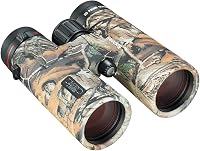
Zeiss vs Leica vs Swarovski Binoculars: Which Is Better? (November 2026)
Pick ZEISS for neutral, sharp detail over long distances and Leica for rich contrast and low-light warmth; Swarovski leans brightest with the widest field. In this zeiss vs leica vs swarovski binoculars comparison, your viewing distance and light matter more than the badge.
On this page (7 sections)
- How do ZEISS, Leica and Swarovski differ in the field?
- What decides ZEISS vs Leica vs Swarovski for you?
- Which brand suits birding and travel?
- How do the builds and glass types affect the view?
- Which fits long-distance viewing and documenting?
- Who should buy which brand?
- What is the best zeiss vs leica vs swarovski binoculars pick?
Pick ZEISS for neutral, sharp detail over long distances and Leica for rich contrast and low-light warmth; Swarovski leans brightest with the widest field. That short answer holds up when you buy for how you actually watch, not for the name on the barrel.
The zeiss vs leica vs swarovski binoculars question gets easier once you name your viewing light and your typical distance.
All three sit in the premium tier. They spend on glass design and coatings, and they all make optics good enough that a casual glance won't separate them.
The differences show up when you push each one into a specific job.
This comparison covers the viewing goals each brand serves, the build and glass choices that drive the view, and the outdoor uses where one name fits better than the others. It closes with clear picks for birders, hunters, long-distance viewers and travelers who also want a record.
 Best for close detail
Zeiss Optics D40 10x Aplanatic Achromatic Pocket

How do ZEISS, Leica and Swarovski differ in the field?
ZEISS leans on a neutral, clinical view and long-distance detail; Leica adds contrast and warmth; Swarovski pushes brightness and field width. Each brand puts its design money in a different place.
The ZEISS glass in the D40 pocket magnifier shows the house approach at close range. It uses an aplanatic-achromatic design, which ZEISS builds to keep the view free of distortion and chromatic aberrations across the whole field.
That means a flat image and true color rather than a warm cast.
Leica's reputation rests on contrast and color depth. Its lenses are tuned so shadow detail stays readable and skin and plumage keep their warmth.
A low-light birder notices this first.
Swarovski trades some of that warmth for raw light transmission and a wide apparent field. The wide field makes it faster to find a moving subject.
The brighter view helps in flat, overcast light.
Which one looks best in poor light?
Leica holds up best when light is dim and contrast matters. Its color science keeps detail readable in shadow rather than washing it to gray.
Swarovski is the brighter of the three on paper, so it edges ahead in heavy twilight. Brightness without contrast can look flat, though, so try both in the light you actually use.
ZEISS stays neutral. You get honest color and clean edges, which suits identification by detail rather than by mood.
For a closer look at how two of these names compare head to head, our ZEISS vs Swarovski binoculars breakdown goes deeper.
What decides ZEISS vs Leica vs Swarovski for you?
Your typical light and your viewing distance decide the winner; the badge alone tells you almost nothing. A wide field is wasted if you only watch distant ridges, and a neutral view disappoints a birder hunting color in shade.
Start with the light. If most of your viewing happens early, late or under heavy canopy, contrast and brightness matter more than a flat color balance.
That points toward Leica or Swarovski.
Then measure the distance. Long open-glass work rewards sharpness at range and a neutral color balance.
Close-range reading of details, like checking a bird's markings or a print, rewards a distortion-free lens.
Finally, decide whether you want to look or to document. A passive optic never runs flat.
A zoom camera captures what you saw and plays it back, but it needs a charge and a screen.
The comparison at a glance
| Point | ZEISS | Leica | Swarovski |
|---|---|---|---|
| Signature view | Neutral, sharp | Contrast and warmth | Bright and wide |
| Best light | Bright to neutral | Low and flat | Dusk and overcast |
| Typical strength | Long-distance detail | Color in shadow | Fast tracking |
| Glass priority | Flat field, low aberration | Coatings and contrast | Light transmission |
The table describes house tendencies, not guarantees for one model. A budget model from any of these brands will lag a premium one from the same name.
Which brand suits birding and travel?
Swarovski suits fast birding in mixed light, Leica suits colorful plumage in shade, and ZEISS suits detail identification at distance. Travel adds weight and size to the choice.
Birding asks for a field wide enough to catch movement quickly. A wide field also helps when a bird flits between branches and you lose it for a second.
Swarovski builds toward that speed.
Color matters as much as speed for identification. Leica's warmer rendering helps you read plumage in deep shade, where neutral glass can look gray.
ZEISS keeps colors honest, which helps when you compare two similar species.
Travel asks for a compact body you'll actually carry. The ZEISS D40 pocket magnifier shows the ZEISS approach in a body that slips into a jacket pocket.
It's a 10x optic with a glass lens and a metal handle, so it's built to travel without feeling fragile.
If you want to document what you spot, a zoom camera earns its place. The Insta360 Luna Pro pairs a 4x optical zoom with Leica color profiles.
Its 9–20 mm focal range and 2 in detachable touchscreen let you frame and review without holding the camera to your eye.
What about binoculars for hunting?
Hunting turns on light more than field width. The first and last light of the day is when game moves, and that is when contrast separates a clear shape from a blur.
Leica's contrast helps you read antlers or a coat against cover. ZEISS's neutral view helps you spot an animal at long range on open ground.
Swarovski's brightness helps in thick timber where little light reaches the floor.
Try each in the light you hunt. A binocular that looks good in a bright shop can fail in the half hour before dusk.
For comparisons against more affordable names, see are Leupold binoculars good for the next tier down.
How do the builds and glass types affect the view?
Glass quality and coating design drive sharpness, color and light, so the same magnification can feel very different across these brands. Magnification only tells you reach.
All three brands build around glass optics with coated lens surfaces. Coatings cut reflections and let more light through.
Better coating work means less glare and more usable light in shade.
The ZEISS D40 shows the principle at close range. Its metal handle and glass lens are paired with the aplanatic-achromatic design, which ZEISS builds to remove distortion and color fringing.
The result is an edge-to-edge view you can read detail in.
Build also affects comfort. Metal bodies feel solid and handle cold weather without flexing.
They also weigh more, which matters when you carry them all day.
A detachable screen changes the build story. The Insta360 Luna Pro uses a 2 in OLED touchscreen you can remove and use to preview and control from up to 20 m away.
That means you can frame a distant subject without touching the camera and adding shake.
Why does field of view matter more than magnification?
Field of view decides how fast you find a subject and how much you see around it. A narrow field at high magnification gives detail but loses the surrounding context.
For birds in flight or game in cover, a wide field helps you get the subject into the frame before it moves. That's where Swarovski's emphasis pays off.
For distant ridges or open country, a narrower field is fine. You gain detail and lose little, because the subject stays put.
Balance the two against your real trips. A wide field you never need adds bulk; a narrow field you fight all day costs you sightings.
Which fits long-distance viewing and documenting?
ZEISS fits long-distance detail viewing, and a zoom camera fits when you want a record of distant subjects. Distance is the deciding factor for both.
At long range, sharpness and a neutral color balance do most of the work. ZEISS's design priority, a flat field with low chromatic aberration, serves that job directly.
You read detail without color fringing pulling the edges apart.
When you want to bring distant subjects close and keep the shot steady, the Insta360 Luna Ultra Creator Bundle earns its spot. It uses dual Leica lenses with a 1 in main sensor and a pro-grade telephoto lens.
The telephoto gives 6x lossless zoom and a 12x range.
The telephoto's F2.0 aperture and larger sensor help in low light. That matters when a distant subject sits in shade or at dusk.
The camera also records 8K30fps video with Dolby Vision, so you can review the moment later.
The trade-off is real. A camera runs on a battery, needs a memory card and asks you to review footage on a screen.
Passive binoculars never run flat and show you the view instantly.
For most outdoor viewers, the best setup is both: binoculars for instant looking and a zoom camera for the shots you want to keep. Our are Athlon binoculars good comparison covers another value tier if you want a second pair for everyday carry.
How do you hold a heavy optic steady?
Weight and magnification both add shake. The higher the magnification, the more each hand movement shows in the view.
A camera with 3-axis mechanical stabilization and AI tracking keeps the subject centered while you hold it. That helps at long focal lengths where shake would otherwise blur the frame.
A passive binocular relies on your grip and posture. Bracing your elbows or resting on a rail helps more than any accessory.
A binocular harness spreads weight across your shoulders and frees your hands between views.
For long sessions, a harness matters more than a slight edge in glass quality. The best optic is the one you carry without thinking about it.
Who should buy which brand?
Pick ZEISS for neutral long-distance detail, Leica for low-light color, and Swarovski for bright, wide tracking. A zoom camera is the pick when you want to capture distant subjects as well as view them.
Choose ZEISS if you identify subjects by fine detail at range. Its neutral glass and flat-field design suit open country, ridge lines and close reading.
The D40 pocket model puts that glass in a travel-friendly body.
Choose Leica if you view in shade, at dawn or at dusk and color matters. Its contrast and warmth help you separate a bird or an animal from cover.
Choose Swarovski if you track fast movement and want the widest, brightest view. Birders in flight and hunters in thick timber benefit most.
Choose the Insta360 Luna Pro when you want Leica color in a zoom camera and a detachable screen. It's the lighter of the two camera options and records 8K HDR video with Dolby Vision.
Choose the Insta360 Luna Ultra Creator Bundle when reach is the main job. Its dual Leica lenses and 6x lossless zoom pull distant subjects in close, and the 12x range covers wide to tight framing.
What should a first premium buyer keep in mind?
Don't buy for the badge alone. A premium name still makes models across the price tiers, and the cheapest model from a famous brand can lose to a mid-range optic from a smaller one.
Check the light you view in and the distance you view at before you compare brand names. Those two facts decide more than any marketing claim.
If you're stepping up from a budget pair, our are Bushnell binoculars good comparison shows what that tier offers. A budget pair you carry beats a premium pair left at home.
What is the best zeiss vs leica vs swarovski binoculars pick?
ZEISS is the best overall pick for most outdoor viewers, with Leica best for low light and Swarovski best for wide, fast tracking. For most people who want a clear, honest view at distance, the ZEISS glass and neutral color are the safest first premium buy.
The ZEISS D40 10x Aplanatic Achromatic Pocket shows that house approach in a compact body. It's a 10x glass lens in a metal handle, built for close detail with no distortion or color fringing.
It scores highest here because it fits the broadest set of outdoor viewing jobs.
Leica is the pick when light is the problem. Its contrast and warmth keep detail readable when neutral glass goes flat.
Swarovski wins when speed and field width matter more than color mood.
If you want to record what you see, the two Insta360 cameras earn their place. The Luna Pro gives Leica color and 4x optical zoom with a detachable screen.
The Luna Ultra Creator Bundle gives dual Leica lenses and 6x lossless zoom for distant subjects.
So the decision rule is simple. Buy ZEISS for detail and neutral color, Leica for dim light and rich contrast, Swarovski for wide bright tracking, and a zoom camera when you want the moment on file.
Pair your pick with a harness so the weight stays off your neck and the optic stays with you.
Frequently asked questions
Which is better for birding, ZEISS, Leica or Swarovski?
Swarovski suits birders who track fast movement in dim light, because its emphasis on field width helps you find a bird quickly. Leica gives warmer color for plumage in low light, and ZEISS favors neutral color accuracy when you identify by detail over long distances.
Do these brands make binoculars for hunting?
All three build hunting binoculars, and the choice turns on light rather than badge. Leica's contrast helps early and late in the day, ZEISS suits long open-glass detail, and Swarovski's brightness helps in heavy cover.
Try each in the light you hunt before you buy.
Is a camera a real substitute for binoculars?
A zoom camera like the Insta360 Luna Ultra gives you 6x lossless zoom and a recording of what you saw, but it runs on a battery and needs a screen. Passive binoculars never run flat.
Pick a camera when documenting matters, and binoculars when instant viewing does.
Why do the same 10x magnification binoculars cost so much more from these brands?
Price follows glass and coating quality, not magnification alone. ZEISS, Leica and Swarovski put money into lens design and coating work that affects sharpness and color, which is why their optics sit in the premium tier.
Magnification tells you reach, not clarity.
What should I check first before choosing a premium brand?
Start with your typical viewing light and distance, then pick the brand whose priority matches them. Field of view, close focus and weight decide comfort on a long walk.
Check those numbers against your real trips before comparing badge names.